


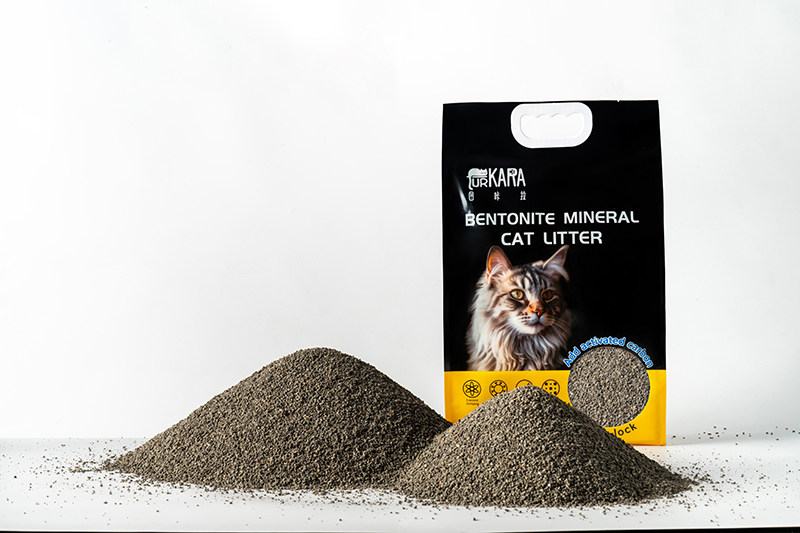
Choosing litter for a kitten is not just about convenience. It affects respiratory comfort, paw feel, litter box training, and the cleanliness of your home. In most cases, dust free cat litter for kittens is a smart choice, especially when it also offers reliable clumping and odor management. For households with sensitive adults, low dust cat litter for allergic owners can add another layer of comfort and make daily care easier from the start.
Kittens are still developing healthy habits, and they are also more likely than adult cats to sniff, dig, and play in the litter box. That means litter texture and airborne dust matter more than many first-time owners expect. The best option is usually a low-dust, unscented, fast-clumping litter made from safe, high-quality mineral material that stays stable when a kitten scratches.
What Is the Real Search Intent Behind This Question?
People searching this topic usually want a clear answer before they buy. They are not asking whether dust-free litter sounds good in theory. They want to know if it is genuinely safer, more practical, and more comfortable for kittens in everyday use.
They also tend to compare several priorities at once. One concern is the kitten’s breathing and paw sensitivity. Another is whether the product supports easier cleanup and better hygiene. A third is whether the litter helps adults in the home, especially when they need low dust cat litter for allergic owners.
In other words, the core intent is transactional and educational at the same time. Readers want guidance that helps them choose the right product, avoid common mistakes, and understand what features actually matter instead of being distracted by packaging claims.
Why Dust Levels Matter More for Kittens Than Many Owners Realize
Kittens interact with litter differently than adult cats. They often jump in with curiosity, dig longer, and put their noses closer to the surface. If a litter creates visible or fine airborne particles, that exposure can happen several times a day.
Dust can make the litter area feel unpleasant and can spread onto floors, furniture, and nearby bedding. In a small apartment or enclosed room, this becomes even more noticeable. A cleaner litter environment often supports better daily comfort for both the pet and the owner.
For young cats, a calmer sensory experience is useful during litter training. If the box smells harsh, feels rough, or kicks up dust clouds, some kittens may hesitate, step out quickly, or track litter more aggressively. A stable, softer, low-dust product helps reduce those friction points.
That is why dust free cat litter for kittens is usually worth considering early. It does not solve every issue on its own, but it removes one common problem that can affect comfort, cleanliness, and routine acceptance of the litter box.
Is Dust-Free Cat Litter Always the Best Choice for Kittens?
The short answer is usually yes, but only if the product is balanced in other important ways. A litter can be marketed as dust free and still perform poorly if it does not clump quickly, control odor, or feel comfortable under small paws.
For kittens, the best litter is not defined by one feature alone. It should produce minimal airborne dust, absorb moisture efficiently, form firm clumps, and remain easy to scoop. These qualities work together and shape the overall litter box experience.
Texture also matters. Some extremely coarse litters can be low in dust but feel uncomfortable or unnatural for a young cat. On the other hand, some very soft products may scatter easily or break apart too much during digging. The ideal balance is clean, stable, and kitten-friendly.
So dust free cat litter for kittens is often the right direction, but owners should judge the full performance profile rather than a single claim on the label. Dust control should be part of the decision, not the only decision.
What Features Should You Prioritize First?
If you are choosing litter for a kitten, there are four features that deserve the most attention. The first is low dust performance. The second is fast, reliable clumping. The third is odor control without overwhelming fragrance. The fourth is a comfortable texture that supports regular box use.
Fast clumping cat litter odor control matters because kittens may urinate in small amounts but more frequently. If moisture spreads before clumping, the box gets dirtier faster, smells stronger, and becomes harder to maintain. Quick clump formation helps isolate waste before it spreads.
Low dust performance is especially useful when cleaning or topping up the box. Scooping should not create a cloud that drifts into the room. That is one reason many families look for low dust cat litter for allergic owners as well as for the kitten itself.
Odor control should be effective but not overpowering. Strong perfume can be unpleasant for some cats and for some people. Good litter often controls odor through absorbency and tight clump structure rather than relying only on heavy fragrance.
Finally, particle consistency matters more than many buyers think. Uniform granules usually scoop better, track less unpredictably, and create a more stable surface. That consistency can improve both cleanliness and user confidence.
How Low-Dust Litter Helps Sensitive Households
Many kitten owners are not just buying for the pet. They are also trying to protect the comfort of children, older family members, or adults with sensitivity to dust. This is why low dust cat litter for allergic owners has become a practical search priority.
Everyday litter care includes pouring, scooping, and occasional deep cleaning. If each of those actions releases particles into the air, the litter box becomes a constant source of irritation inside the home. Lower dust output can make the environment feel cleaner and easier to manage.
This matters even more in compact homes, bedrooms with attached pet areas, or colder seasons when windows stay closed. In those settings, airborne particles linger more noticeably. A better litter helps reduce cleanup beyond the box itself.
For multi-person households, choosing a low-dust litter can reduce friction between pet care needs and home comfort expectations. The result is often not just a better experience for the kitten, but a smoother routine for everyone sharing the space.
Why Fast Clumping and Odor Control Matter From the Beginning
Some owners assume odor control becomes important only when a cat is older. In reality, early litter habits are shaped by how the box looks and smells every day. A dirty or damp box can discourage consistent use, especially for a kitten still learning routines.
Fast clumping cat litter odor control supports a cleaner box because waste can be removed more completely and more quickly. Firm clumps do not crumble as easily during scooping, so less contaminated litter remains behind. That helps the box stay fresher between full changes.
Good odor control is also about moisture management. If liquid stays concentrated and the surrounding litter remains dry, bacterial smell is less likely to build rapidly. This is valuable in homes where owners are away for part of the day and cannot scoop immediately.
From an operational point of view, clumping efficiency can also reduce litter waste. When clumps stay compact, owners remove only what is dirty instead of throwing away larger amounts of clean material. That improves daily cost efficiency without compromising hygiene.
What Type of Bentonite Litter Works Well for Kittens?
For many buyers, bentonite remains one of the most practical choices because it offers strong absorption and dependable clumping. When processed well, bentonite litter can also achieve lower dust performance and a more consistent particle structure, both of which are useful for kittens.
High-quality bentonite litter should form clumps quickly after contact with moisture. It should not turn muddy, smear across the tray, or break apart easily during scooping. These qualities are especially important when owners are trying to establish a predictable cleaning routine.
Processing quality makes a major difference. The source mineral matters, but grading, drying, dust removal, and production control also influence final performance. That is one reason professional buyers and private-label customers often look closely at manufacturing capability, not just marketing claims.
Weifang Hualong Bentonite Co., Ltd., founded in 1972 and backed by its own mine and complete mineral approval qualifications, focuses on bentonite mineral cat litter production. With more than 80,000 square meters of facilities and OEM and ODM capability, the company supports markets seeking stable quality, scalable supply, and product customization.
For international distribution, Weifang Tianwu Import and Export Trading Co., Ltd. specializes in the sale of bentonite mineral cat litter products. For buyers who care about supply continuity, logistics access near Qingdao Port and Weifang Port is also a practical advantage.
How to Tell If a Litter Is Truly Suitable for Your Kitten
Start by checking how the litter behaves during pouring. Excessive visible dust is an immediate warning sign. Next, observe how your kitten reacts to the box over several days. Comfortable digging, regular use, and limited hesitation are good signs that the material feels acceptable.
Then evaluate clump quality. Clumps should form fast, lift cleanly, and stay intact when scooped. If they fall apart easily, moisture may be spreading through the tray, making odor control harder and increasing litter consumption over time.
Also watch for tracking and mess around the box. No litter eliminates tracking completely, especially with playful kittens, but balanced granule size and stable clumping usually reduce unnecessary spread. This is part of the real-life usability that product labels often understate.
If anyone in the home is sensitive to dust, pay attention during daily maintenance rather than just after the first pour. A litter that looks fine initially may still release particles during regular scooping. That is where low dust cat litter for allergic owners proves its value most clearly.
Common Mistakes When Choosing Kitten Litter
One common mistake is focusing on branding language instead of performance details. Terms like premium or natural may sound reassuring, but they do not automatically mean low dust, fast clumping, or kitten suitability. Buyers should look at function first.
Another mistake is choosing strong fragrance to solve odor. Heavy scent can cover smell temporarily, but it does not replace absorbency or clump integrity. In some cases, it may even make the litter box less appealing to a young cat.
Some owners also switch too many variables at once. If you change the litter, the tray position, and the cleaning schedule together, it becomes harder to understand what is affecting the kitten’s behavior. A more controlled approach leads to better decisions.
Finally, ignoring household needs can create long-term inconvenience. If the kitten accepts the litter but the product creates constant airborne dust, cleanup burden increases and home comfort drops. A balanced choice should work for both pet behavior and human living conditions.
So, Is Dust-Free Cat Litter the Right Choice for Kittens?
For most homes, yes. Dust free cat litter for kittens is usually the better starting point because it supports a cleaner environment, a more comfortable litter box experience, and easier day-to-day maintenance. It becomes even more valuable when the home includes sensitive adults who need low dust cat litter for allergic owners.
Still, the best answer is not simply “dust free.” The right product should also deliver fast clumping cat litter odor control, a kitten-friendly texture, and dependable scoopability. These factors work together and determine whether the litter performs well in real use.
If you are comparing options, choose a litter that balances low dust output with strong clumping and stable mineral quality. For bentonite-based solutions, manufacturer experience, raw material control, and processing standards are key indicators of reliable performance.
In the end, the right litter helps a kitten feel secure, helps owners keep the box cleaner, and helps the whole home stay more comfortable. That is the real value behind choosing carefully at the beginning.
Leave A Message
CONTACT US