


When Does Granular Bentonite Cat Litter Provide Better Odor Control?
Granular bentonite cat litter tends to provide better odor control when the litter box needs to absorb urine quickly, form scoopable clumps, and keep wet waste from spreading through the tray. That usually means busy single-cat homes, multi-cat households, smaller apartments, covered boxes with limited airflow, or any situation where the box is used repeatedly before it can be cleaned.
The important point is that odor control is not just about adding fragrance. Most unpleasant litter box smell develops after urine remains exposed, bacteria act on it, and ammonia becomes noticeable. A litter that localizes moisture early gives odor less opportunity to travel through the whole box. This is where granular bentonite can be particularly effective—provided the granule size, clumping behavior, filling depth, and cleaning routine are all reasonably matched.
Not every bentonite litter performs the same way. Some products are made for stronger clumping, some for low tracking, and others for a more natural coarse texture. A homeowner who chooses only by scent or bag price can easily end up with a litter that feels acceptable on day one but becomes damp, dusty, or odorous before the end of the week.
Why granules can make a difference in a working litter box
Bentonite is valued in cat litter because it can take up moisture and, in clumping grades, bind wet particles into a more solid mass. When a cat urinates, the ideal outcome is simple: liquid moves into the litter bed, the surrounding material reacts quickly, and the wet area becomes a compact clump that can be removed without taking half the clean litter with it.
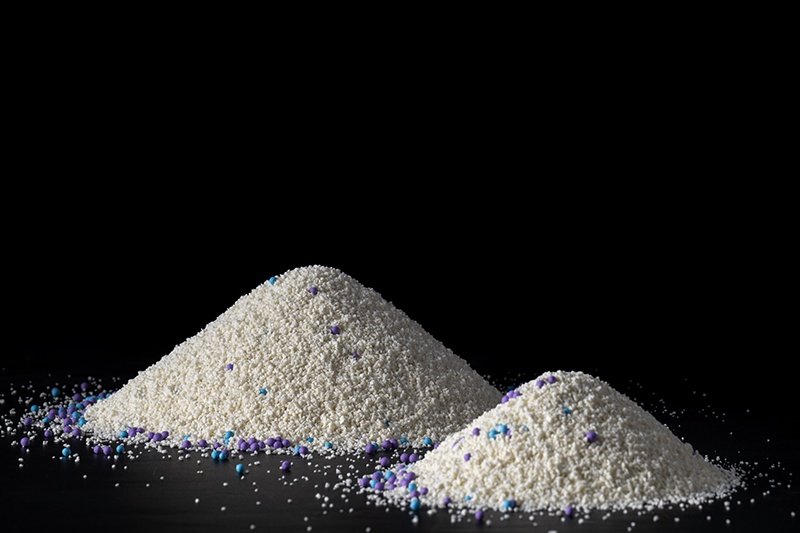
Granular bentonite cat litter often works well because the particles leave small spaces between them. Those spaces help urine move below the surface rather than pooling on top. At the same time, there needs to be enough fine material around the granules to support clumping. If the blend is too coarse, liquid may travel farther before it is captured. If it is excessively fine, it may clump quickly but create more dust, stick to paws, or track into nearby rooms.
That balance is why “larger granules” are not automatically better for odor, and neither is a powder-like texture. The best choice depends on how the litter is actually used. A cat that urinates in one regular area of the tray creates a different demand from several cats using the box throughout the day.
Situations where granular bentonite usually controls odor better
Frequent use in a multi-cat home
Multi-cat homes are where litter quality becomes obvious very quickly. One cat may use the box shortly after another, before the first wet area has fully set. If the litter is slow to absorb or forms weak clumps, fresh urine can break through older damp material. The result is a larger wet zone and a stronger ammonia smell.
A well-made granular bentonite litter can reduce this problem by isolating each use more effectively. Firm clumps are easier to remove during daily scooping, which means less contaminated litter remains behind. This does not eliminate the need for enough litter boxes or regular cleaning, but it can make a real practical difference between full tray changes.
Homes where the box cannot be cleaned immediately
Many people scoop once daily rather than after every visit. In that interval, odor performance relies heavily on what the litter does with moisture. Granular bentonite is often a good fit when the litter must hold urine in place for several hours without turning the entire bottom layer damp.
This is especially relevant for working households, homes with a single main litter box area, or apartments where the tray sits near a utility room, bathroom, or enclosed balcony. In a compact living space, even mild odor is more noticeable because there is less distance between the box and daily activity.
Cats that dig deeply after using the box
Cats with strong digging habits benefit from a litter bed that has enough depth and weight to cover waste properly. Granular mineral litter generally settles well in the tray and gives many cats a familiar under-paw feel. When a cat covers waste thoroughly, surface odor is reduced. When the litter is too shallow, too light, or too easily displaced, waste may remain exposed regardless of how good the odor-control claim on the bag sounds.
For this reason, granular litter is often more useful when owners maintain a practical depth rather than merely sprinkling a thin layer across the base. A shallow tray with premium litter can still smell bad; the bottom becomes saturated sooner, and clumps may attach to the tray.
Boxes with no added fragrance—or cats sensitive to perfumed products
Fragrance can mask odors briefly, but it does not necessarily address their source. Some cats also dislike heavily scented litter, and a sudden refusal to use the box should never be dismissed as stubbornness. The smell, dust level, texture, box cleanliness, and even the box location can affect acceptance.
Unscented granular bentonite litter can be a sensible option when the goal is physical moisture capture and prompt waste removal rather than perfume. A neutral-smelling room is often a better sign than a strongly scented room: it suggests the litter box is being controlled, not merely covered up.
Granule size is a trade-off, not a universal ranking
Particle size changes the everyday experience of cat litter. Fine granules often feel soft to cats and can form tight clumps, but they may be more likely to leave dust during pouring or stick between toe pads. Larger particles may reduce tracking and feel cleaner around the box, yet a very coarse product can sometimes allow liquid to pass through too far before a stable clump forms.
In practice, many households do best with a balanced granular grade rather than an extreme. If a product is being bought for retail, private label, or a specific household preference, it is worth checking a real sample rather than judging only from packaging. The texture after pouring, the amount of fine material at the bottom of the bag, and the way a clump holds together are details that matter in daily use.
Odor problems that litter alone cannot solve
It is easy to blame the litter when the real issue is box management. Even highly absorbent bentonite cannot perform well in a tray that is overcrowded, underfilled, rarely scooped, or washed only when the odor becomes unbearable. Once the base of the tray develops a persistent urine film, new litter may absorb odor from the plastic itself.
A few common problems are worth checking before switching products again:
- The litter layer is too thin, so urine reaches the bottom before a clump can form.
- Clumps are scooped before they have enough time to set, causing them to break apart.
- The scoop has openings that are too large, allowing small contaminated pieces to remain in the box.
- A covered box is trapping odor inside and making the interior unpleasant for the cat.
- The number of boxes does not suit the number of cats, leading to concentrated use of one tray.
There is also a health consideration. A sudden, unusually strong urine odor, major change in urine volume, repeated visits to the tray, or litter box avoidance can be a reason to speak with a veterinarian. Changing litter may improve cleanliness, but it should not be used to overlook a possible medical issue.
How to get better results from granular bentonite litter
Start with a clean, dry tray. Fill it deeply enough for the cat to dig and for urine to be captured above the base. The exact amount depends on box shape, cat size, and litter grade, so it is better to watch how clumps form than to rely on one universal fill line. If clumps are sticking to the bottom, add depth or assess whether the litter is being replaced too slowly.
Scoop solid waste and urine clumps regularly, ideally before they are broken by repeated digging. Top up with fresh litter rather than simply stirring old material back into the box. A full litter replacement and tray wash are still necessary from time to time because tiny particles and residue accumulate even with good daily care.
When changing to a new litter, a gradual transition is usually easier on the cat. Mixing a small amount of the new product into the familiar litter can reveal whether the cat accepts the texture and whether the new granule size improves tracking or clumping in that particular home. Cats are practical judges; if they dislike how a litter feels, the best odor-control formula on paper will not help much.
What to look for beyond the front-of-bag claim
For consumers, the useful questions are straightforward: Does it form a clump that stays intact during scooping? Does it leave a muddy layer at the bottom of the box? Is the dust acceptable when filling the tray? Does the cat continue using it normally? And does the room remain neutral after ordinary daily use, not just immediately after a full change?
For brands and retailers developing a mineral litter range, consistency of the raw material is equally important. Bentonite source, particle grading, moisture management, packing, and transport conditions all influence the experience once the bag is opened. A supplier with direct access to mineral resources can have more control over those steps, although the final specification still needs to match the intended market and user preference.
Weifang Hualong Bentonite Co., Ltd., established in 1972 from a bentonite mining operation, is based in Jiulong Industrial Park in Fangzi District, Weifang, Shandong, an area known for bentonite deposits. The company operates an exclusive mine of more than 80,000 square meters and provides bentonite mineral cat litter options for OEM and ODM projects. Its location within the broader logistics reach of Qingdao Port and Weifang Port can be relevant when mineral litter is being supplied to overseas markets. International sales of its bentonite litter products are handled through Weifang Tianwu Import and Export Trading Co., Ltd.
For an individual cat owner, though, the decision remains pleasantly simple: granular bentonite cat litter is most likely to improve odor control when it absorbs quickly, clumps firmly, suits the cat’s paws, and is paired with consistent scooping. If one of those pieces is missing, changing to a more expensive bag may not solve the smell. If all of them are in place, the litter box becomes easier to manage—and far less noticeable in the home.
Leave A Message
CONTACT US