


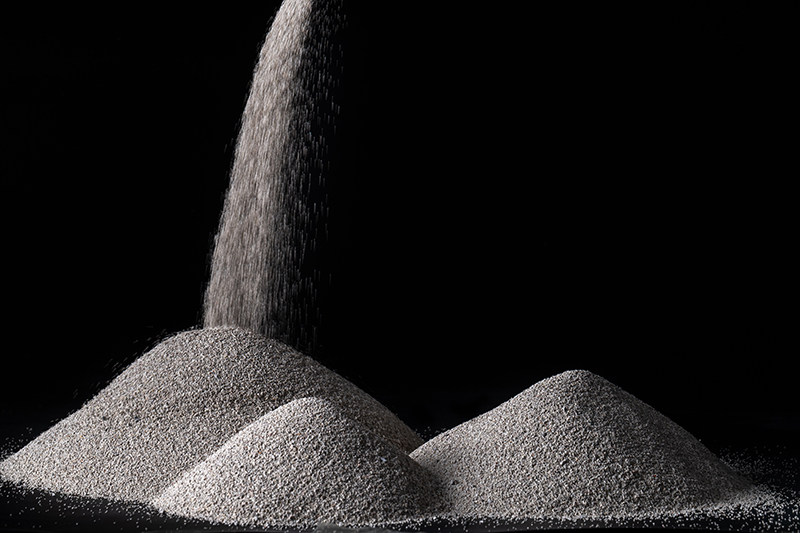
Choosing the right dust free cat litter for kittens is not just about keeping the floor cleaner. The best option should protect a kitten’s developing respiratory system, feel gentle on small paws, control odor quickly, and stay easy for owners to manage every day.
For most buyers, the smartest choice is a low-dust, fast-clumping litter made from high-quality natural bentonite, with stable granule size, reliable moisture absorption, and a formula suitable for sensitive homes. This matters even more when owners are also looking for low dust cat litter for allergic owners and fast clumping cat litter odor control in one product.
Why Dust Level Matters More for Kittens Than Many Owners Realize
Kittens are more sensitive than adult cats, especially during the first months of litter training. Their lungs and immune systems are still developing, so excess airborne dust can become a real concern in daily use.
When a kitten digs, jumps, or covers waste, fine particles can rise into the air and be inhaled. Even if the litter box looks clean, invisible dust may still irritate the nose, throat, or eyes.
This is one reason many households search specifically for dust free cat litter for kittens instead of choosing the cheapest general product. Low dust performance supports a cleaner indoor environment and reduces unnecessary irritation around the litter area.
Dust control also matters for the people sharing the space. In smaller homes, apartments, or rooms with limited ventilation, airborne particles spread quickly. That is why low dust cat litter for allergic owners often becomes part of the same buying decision.
What Buyers Are Really Trying to Solve
Most readers searching this topic are not just comparing litter types in theory. They usually want a practical answer to a daily problem: how to keep a kitten safe while keeping the home cleaner, fresher, and easier to maintain.
The biggest concerns typically include whether the litter is safe to breathe, whether it clumps fast enough to prevent odor, whether it tracks around the house, and whether it creates a dusty mess during pouring or scooping.
Some owners are also managing special situations. They may live with asthma, seasonal allergies, or dust sensitivity. Others may be introducing a young kitten into a multi-cat home where litter box cleanliness affects the behavior of every cat.
So the real buying question is not simply “Is this litter dust free?” It is “Will this litter work well for a kitten, stay comfortable for the household, and reduce the daily problems I actually deal with?”
Safety Comes First: What a Kitten-Friendly Litter Should Offer
If safety is the top priority, there are several product traits worth checking before purchase. A kitten-friendly litter should have low airborne dust, natural raw materials, stable moisture absorption, and clumps that are firm without breaking apart easily.
Texture matters too. Very sharp or overly coarse particles may discourage a kitten from using the litter box comfortably. Very fine powder, on the other hand, can increase dust exposure and may stick to fur or paws more easily.
Another key point is scent strength. Strong fragrances may seem helpful for humans, but they can overwhelm kittens that are still adapting to a new environment. In many cases, good odor control should come from absorption and quick clumping rather than heavy perfume.
Reliable bentonite litter can perform well here because it absorbs moisture quickly and forms compact clumps that are easy to remove. When made with proper processing and dust reduction standards, it can offer a practical balance between hygiene and convenience.
Why Fast Clumping Is Essential for Odor Control
Odor control is one of the first issues owners notice after bringing a kitten home. Young cats may use the litter box frequently, and if moisture sits too long, unpleasant smells can spread through the room faster than expected.
This is where fast clumping cat litter odor control becomes especially important. A litter that forms clumps quickly helps trap urine before it spreads through the box, reducing odor buildup and making daily scooping more effective.
Fast clumping also helps preserve the rest of the clean litter. If wet spots stay loose or crumble during scooping, more unused litter gets contaminated. That leads to faster box turnover, higher product use, and a less hygienic litter area.
For kitten owners, this matters beyond convenience. A cleaner box encourages regular use and reduces the chance that a kitten will avoid the litter box because of moisture, smell, or poor texture underfoot.
How Low-Dust Performance Helps Allergic Owners Too
Many households are not shopping only for the kitten. They are also trying to protect family members who react to dust, dander, or strong litter odors. In that situation, low dust cat litter for allergic owners becomes a practical household requirement.
Low-dust litter helps reduce irritation during pouring, refilling, and scooping. These are the moments when dust is most likely to become airborne, especially if the litter contains too many fine particles from weak processing or rough transportation.
It is important to remember that “low dust” is usually a more realistic and useful standard than promising absolute zero dust in every use condition. Product quality, packaging integrity, handling, and storage all influence the final user experience.
A well-made bentonite litter with controlled granule size and production quality can significantly reduce airborne particles. For families with allergy concerns, that can make routine litter box care more comfortable and sustainable over time.
How to Judge Product Quality Before You Buy
Marketing claims alone do not tell the full story. Buyers should look at a few practical quality indicators that reveal whether a litter is likely to perform well in real use, especially for kittens and sensitive homes.
First, examine clumping speed and clump firmness. A good litter should absorb quickly and create solid clumps that stay intact during scooping. This directly affects odor control, cleanliness, and litter consumption.
Second, look at dust control and particle consistency. Uniform granules usually indicate better processing quality than a bag filled with uneven fragments and excess powder. More consistency often means better pouring behavior and less airborne dust.
Third, consider absorbency and deodorizing performance. Effective bentonite can lock in moisture efficiently, helping control smell without relying too much on artificial fragrance. This is especially useful for indoor homes with limited airflow.
Fourth, review supply reliability if you are buying in volume for a retail brand, distribution business, or private label line. Stable raw material access, manufacturing experience, and OEM or ODM support can matter as much as the product formula itself.
Why Bentonite Remains a Strong Choice for Kitten Litter
Bentonite remains one of the most popular materials for cat litter because of its strong absorption and natural clumping ability. For many buyers, it offers the performance needed to manage both odor and daily cleaning with less waste.
When processed well, bentonite litter can provide the combination most owners want: dust control, fast clumping, and easy scooping. This makes it especially suitable for homes that need dependable routine performance rather than occasional convenience.
For businesses sourcing cat litter products, manufacturer capability also plays a major role. A producer with its own mineral resources, mature processing experience, and export support can offer more stable quality across batches and custom product lines.
Weifang Hualong Bentonite Co., Ltd., founded in 1972, is built on long-term specialization in bentonite mineral cat litter products. With exclusive mine resources, national mineral approval qualifications, and OEM and ODM service support, the company is positioned to serve international market demand with stable supply capability.
Questions to Ask Before Choosing a Supplier or Product Line
If you are a distributor, importer, private label brand, or pet product buyer, product selection should go beyond basic packaging claims. The right questions can help you identify whether a supplier can truly support market needs.
Ask how the dust reduction process is handled and whether granule size can be adjusted for different market preferences. Ask about clumping speed, odor control performance, packaging options, and support for custom branding or product specifications.
You should also ask about raw material consistency, production scale, and port access if export efficiency matters to your business. These factors influence delivery reliability, especially when demand grows or seasonal orders increase.
For kitten-focused products, confirm whether the litter profile is suitable for sensitive use cases, including low dust expectations and comfortable granule texture. This helps align the product more closely with what end customers actually search for and buy.
Common Mistakes Buyers Make
One common mistake is choosing based only on price per bag. A cheaper litter that produces more dust, breaks into weak clumps, or fails to control odor may actually cost more over time through higher usage and lower customer satisfaction.
Another mistake is assuming fragrance equals cleanliness. Heavy scent can mask odors temporarily, but it does not replace good absorption or fast clumping. For kittens, overly strong scent may even make litter training more difficult.
Some buyers also overlook the needs of the full household. A litter may work reasonably well for odor, but if it creates visible dust clouds during pouring, it will not satisfy families looking for low dust cat litter for allergic owners.
Finally, many people underestimate how much product consistency matters. One good sample is not enough if future batches vary in dust level, clumping quality, or moisture performance. Long-term reliability is part of product quality.
How to Make the Best Final Decision
If you are choosing litter for a new kitten, start with three priorities: low dust, fast clumping, and gentle everyday usability. These features cover the biggest real-life concerns for health, cleanliness, and successful litter box habits.
Then consider your home environment. If anyone in the household is sensitive to dust, move low-dust performance even higher on your checklist. If odor control is the main challenge, focus on clump speed, absorbency, and scooping efficiency.
For commercial buyers, the decision should combine product performance with supplier strength. A good partner should provide stable quality, flexible OEM or ODM options, and dependable logistics support for long-term market development.
In short, the best dust free cat litter for kittens is the one that protects sensitive young cats, supports clean daily use, and solves the real concerns of the people who live with them.
Conclusion
When choosing dust free cat litter for kittens, what matters most is not a single marketing phrase but the full balance of safety, dust control, clumping speed, odor management, and day-to-day practicality. Buyers should look for a litter that works well for both the kitten and the household.
A strong product choice often includes low airborne dust, reliable fast clumping cat litter odor control, and a comfortable user experience for sensitive homes. That is why many customers naturally search for a solution that meets the needs of kittens and functions as low dust cat litter for allergic owners at the same time.
By focusing on real performance rather than vague claims, pet owners and business buyers can make a more confident decision and choose a litter product that delivers cleaner spaces, easier maintenance, and better long-term value.
Leave A Message
CONTACT US