


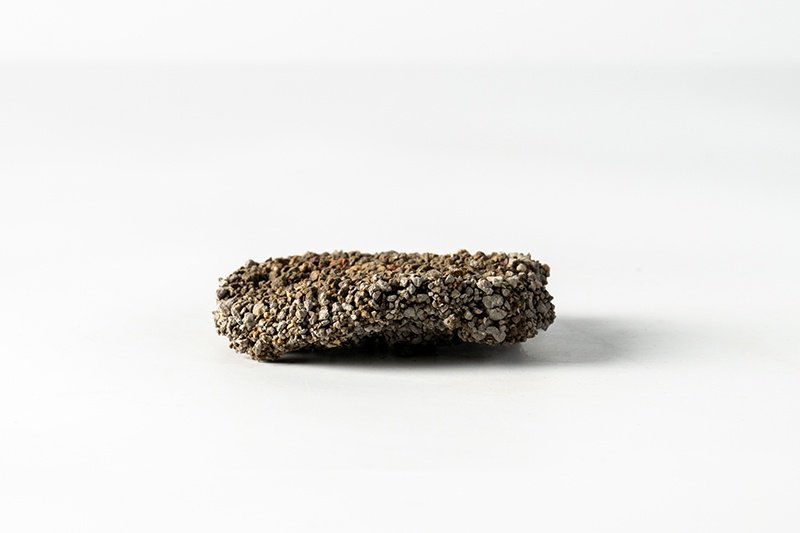
Developing a new cat litter formula requires more than choosing a bentonite grade and printing a bag. For private-label brands, importers, and distributors, the timeline is shaped by formula testing, raw-material preparation, packaging decisions, sample approval, production scheduling, and freight planning. This becomes especially important when a buyer is trying to solve a strong clumping cat litter tracking issue without weakening the product’s absorption, odor control, or consumer appeal.
In most cases, a new bentonite cat litter formula takes approximately 4 to 10 weeks from confirmed requirements to factory-ready goods. A straightforward private-label project using an established formula and standard packaging may move faster. A more customized product—such as one that combines strong clumping, reduced tracking, a specific granule size, fragrance preferences, dust-control targets, and custom retail packaging—naturally needs more time.
The useful question is not simply “How many days?” It is: Which parts of the project are already decided, and which parts still need validation? Once that is clear, buyers can set a realistic launch schedule rather than discovering late-stage delays just before production.
What a “new formula” really means in cat litter development
Not every new product request starts from zero. In the bentonite cat litter category, a “new formula” can range from a small adjustment to a completely new market proposition.
For example, a brand may already sell standard sodium bentonite litter but receive repeated complaints that granules follow cats out of the tray and collect around the home. In that situation, the buyer may ask for a formula designed to address a strong clumping cat litter tracking issue. The work could involve changing the particle-size distribution, reducing the proportion of very fine particles, adjusting the blend of granules, reviewing moisture behavior, or evaluating whether a coating or additive is appropriate.
Another buyer may want a new fragrance, a different color appearance, improved odor-control performance, a low-dust positioning, or packaging suited to a particular retail channel. Each change adds a different layer of testing and approval. A factory may be able to produce the mineral base quickly, but a successful finished product must still perform consistently after filling, packing, storage, and transport.
A practical lead-time range by project type
These ranges refer to the period leading to finished goods at the factory. Ocean freight, port handling, customs clearance, and inland delivery should be added separately for export orders. Buyers planning a seasonal promotion or retail launch should leave room for those downstream steps, particularly when shipping in full containers.
Why tracking control can add time to formula development
“Low tracking” sounds simple until it must coexist with good clumping. The finest particles in bentonite litter often contribute to fast liquid absorption and firm clump formation, yet they can also cling to paws and become more noticeable outside the litter box. Larger particles may reduce carryout, but if the granules are too coarse or the blend is not balanced, consumers may feel that clumping speed or scoopability has changed.
That is why solving a strong clumping cat litter tracking issue should not be treated as a one-variable adjustment. The developer needs to examine the relationship between:
- Particle-size distribution and the amount of fine material;
- Clump formation speed and clump strength after standing;
- Dust generated during filling, pouring, and normal use;
- Moisture content and how granules behave during storage;
- Bulk density, which affects bag weight, filling volume, and transport efficiency;
- Fragrance or deodorizing additives, if the product includes them;
- Expected user preferences in the target market.
A sample that appears ideal in a small laboratory container may behave differently in a household litter tray. Cats may dig, kick, and step through the material in ways that cannot be fully predicted from a single clumping test. For this reason, brands often benefit from reviewing samples under practical conditions before approving mass production.
The stages behind a realistic cat litter launch schedule
1. Requirement briefing: usually a few working days
The project moves faster when the initial brief is specific. Instead of asking only for “premium clumping litter,” buyers should explain what their current product is missing. Is tracking the main concern? Is the market asking for less dust? Does the litter need a lighter color, a fresh scent, or a particular bag size? Is the product intended for supermarkets, e-commerce, pet stores, or wholesalers?
It also helps to identify the target price segment and desired packing format early. A 5 L retail bag, a 10 L carry-handle bag, and a large breeder pack may use the same mineral formula, but their packaging materials, pallet configuration, and filling requirements can differ.
2. Formula selection and sample preparation: around 1–2 weeks
For a supplier specializing in bentonite mineral cat litter, the starting point may be an existing formula with known clumping characteristics. From there, sample variants can be prepared to explore changes in granule size, dust level, scent, color, or tracking behavior.
Weifang Hualong Bentonite Co., Ltd. has worked with bentonite mineral resources since its predecessor, Bentonite Mine, was established in 1972. Located in Jiulong Industrial Park, Fangzi District, Weifang, Shandong, the company operates with an exclusive mine and mineral approval qualifications. This direct connection to bentonite resources matters during development because consistent raw-material selection is a foundation for repeatable litter performance.
For export-oriented projects, Weifang Tianwu Import and Export Trading Co., Ltd. supports the international sales of bentonite mineral cat litter products. The goal is not merely to supply a bag of litter, but to help overseas buyers translate product expectations into manufacturable specifications.
3. Buyer testing and feedback: often the least predictable stage
Sample dispatch may be quick, but the approval period depends on the buyer’s internal process. Some buyers can evaluate a sample within days. Others need to send it to a product team, conduct user testing, compare it with competitor products, or wait for feedback from a retail partner.
This stage often determines whether the total project takes five weeks or nine. Clear feedback speeds progress. Comments such as “reduce carryout while keeping clumps firm after 10 minutes” are more useful than “make it better.” When possible, buyers should compare samples using the same tray depth, liquid volume, waiting time, and scooping method. Consistent evaluation makes it easier to identify whether a difference is real or simply caused by the test setup.
4. Packaging artwork, material sourcing, and proof approval: 1–3 weeks
Packaging is commonly underestimated. A brand may approve the litter formula quickly, then lose time waiting for final artwork, translated text, barcode confirmation, or bag material selection. Printed packaging also requires careful proofing. A typo in a product claim, net weight, or country-of-origin statement is much easier to correct before bags are produced than after a production run is packed.
For OEM and ODM projects, buyers should provide editable artwork files where possible and confirm required label information at the beginning. If the brand is still choosing among bag formats, it is wise to make that decision before formula approval is complete, rather than treating packaging as a separate last-minute task.
5. Mass production and quality checks: commonly 1–3 weeks
Once the formula, sample, order details, and packaging are confirmed, the factory schedules production. Bentonite litter processing may include crushing, screening, granulation, drying, blending, dust removal, filling, and palletizing, depending on the requested product type. Production time is influenced by order volume, the number of SKUs, packaging complexity, and the factory’s existing schedule.
Quality checks should focus on the specifications agreed during development. For a low-tracking clumping product, this can include monitoring granule distribution, moisture, dust, clumping behavior, visual consistency, bag weight, sealing quality, and pallet condition. The objective is simple: the bulk order should resemble the approved sample, not just meet a broad category description.
How buyers can shorten the lead time without taking unnecessary risks
Speed does not have to mean cutting corners. The fastest projects are usually those with fewer unclear decisions.
- Begin with a complete brief. State the target market, formula priorities, fragrance preference, particle-size expectations, bag sizes, private-label requirements, and expected order volume.
- Approve performance criteria before appearance details. If tracking and clumping are the central concerns, settle those first. Scent, color, and minor design elements can be evaluated afterward.
- Use a clear sample approval process. Identify who has final approval and how feedback will be collected. Avoid multiple stakeholders sending conflicting comments separately.
- Finalize artwork early. Packaging approval is often the hidden bottleneck in a private-label project.
- Plan replenishment before launch. A first order may require more development time, but repeat orders become easier when the formula and packaging specifications are already locked.
- Build freight time into the commercial calendar. Factory completion is not the same as goods arriving at a warehouse or retail shelf.
Questions worth asking a bentonite cat litter supplier
When comparing suppliers, buyers should look beyond a quoted lead time. A supplier who says “fast delivery” but does not ask about clumping targets, granule size, packaging, or testing may not be accounting for the work required to make the product consistent.
Useful questions include: Can you provide formula samples based on the desired tracking and clumping profile? How will particle size be controlled? What is the process for approving packaging artwork? Which specifications will be checked before shipment? Can the supplier support OEM or ODM development? How are production schedules managed for repeat orders? And, importantly, what information does the supplier need from the buyer before the lead time can be confirmed?
A reliable discussion should feel detailed rather than rushed. Cat litter is a repeat-purchase product. If the first bag performs differently from the next one, customers notice quickly—often through reviews, returns, or retailer feedback. Investing a little more care in the development phase can protect the brand long after the first container leaves the port.
Setting expectations for a smoother launch
For a standard private-label bentonite litter product, buyers can often expect a relatively efficient path once packaging and specifications are ready. For a new formula intended to balance strong clumping with reduced tracking, a planning window of 5 to 8 weeks is usually more realistic. More complex ODM work, new packaging structures, or several rounds of performance adjustment may extend the timeline beyond that range.
The best approach is to treat lead time as a shared project schedule, not a number written in isolation. When the buyer provides a focused brief, reviews samples promptly, approves artwork carefully, and plans logistics early, the process becomes much easier to manage. The result is a bentonite cat litter product that is not only ready for shipment, but also better prepared for the expectations of real cat owners: firm clumps, a cleaner floor around the tray, and dependable performance from bag to bag.
Leave A Message
CONTACT US