


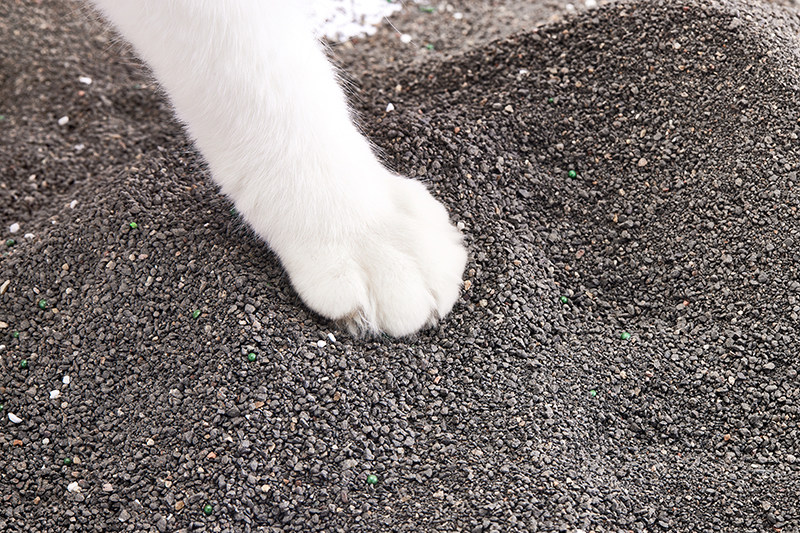
Choosing dust free cat litter for kittens sounds simple, but the wrong product can trigger sneezing, poor odor control, and messy tracking. For families seeking low dust cat litter for allergic owners, the biggest mistakes often involve ignoring ingredient safety, clumping speed, and daily hygiene needs. Understanding how fast clumping cat litter odor control works can help kitten owners create a cleaner, safer litter routine from the start.
For pet product distributors, private label buyers, and import partners, these mistakes also affect returns, customer reviews, and repeat orders. In the kitten segment, litter performance is judged quickly, often within the first 7 to 14 days of use, because young cats are more sensitive to dust, texture, and box cleanliness.
That is why product selection should go beyond a simple “dust-free” claim. Buyers need to assess raw material quality, clumping behavior, odor absorption, granule size, and supply reliability. In bentonite litter, small differences in mineral consistency can create major differences in daily user experience.
The Mistakes That Matter Most When Choosing Kitten Litter
Many purchasing errors begin with label-based decisions instead of performance-based evaluation. A bag may be marketed as dust free cat litter for kittens, yet still release fine particles during pouring, digging, or scooping. Kittens and allergic owners react to all 3 moments, not just the first use.
Mistake 1: Focusing on Dust Claims Without Checking Real Dust Behavior
A low-dust claim is useful only when paired with stable granules and controlled processing. If granules break too easily during transport, the litter can generate visible powder by the time it reaches retail shelves. This is a common issue in long-distance export channels lasting 15 to 35 days.
For low dust cat litter for allergic owners, the practical question is not whether dust exists at 0% in theory, but whether airborne particles remain low enough to reduce sneezing and surface residue in daily use. Better screening, moisture control, and packing stability all matter.
What buyers should verify
- Granule integrity after bagging and shipping
- Powder residue at the bottom of the bag
- Dust release during pouring from 20 to 30 cm height
- Consistency between sample lots and bulk orders
Mistake 2: Ignoring Clumping Speed in Multi-Cleaning Households
Kittens often urinate in smaller but more frequent amounts, which means slow-clumping litter can smear, stick to the tray base, and spread odor faster. Fast clumping cat litter odor control matters because a firm clump formed within seconds to a few minutes is easier to remove without waste.
When clumps break apart, owners usually scoop more clean litter by accident, raising monthly consumption by 10% to 20%. In retail channels, that often leads to complaints about value rather than complaints about clumping itself.
Mistake 3: Choosing the Wrong Granule Size for Young Cats
Very coarse litter can discourage early litter box use, while overly fine particles may cling to paws and increase tracking. For kittens, many buyers prefer balanced bentonite granules that feel soft underfoot but still support fast clumping and reduced dust generation.
In practical sourcing, this means asking about particle size distribution rather than relying only on visual appearance. A more uniform range usually supports steadier performance across packing batches and private label programs.
The table below shows the most common purchase mistakes and their likely impact on kitten households and allergic owners.
The key takeaway is that the biggest mistakes are practical, not cosmetic. Buyers who test dust level, clump strength, and kitten comfort together are more likely to build a product line that performs well in real homes.
What Defines a Better Dust-Free Bentonite Litter for Kittens
A better formula combines 4 core elements: low airborne dust, fast clumping, dependable odor control, and a paw-friendly texture. If one of these is missing, the litter may still sell initially, but long-term satisfaction usually falls.
Raw Material Stability Matters More Than Marketing Terms
Bentonite quality begins at the mine. Mineral purity, moisture control, crushing precision, and screening all influence how much dust is generated and how fast clumps form. For distributors looking at dust free cat litter for kittens, upstream control is a purchasing advantage.
Weifang Hualong Bentonite Co., Ltd. was founded in 1972, with its predecessor being a Bentonite Mine. The company has complete national mineral approval qualifications and its own exclusive mine, covering more than 80,000 square meters, which supports more stable raw material sourcing for bentonite mineral cat litter products.
Fast Clumping Supports Cleaner Daily Maintenance
Fast clumping cat litter odor control is especially valuable in homes cleaning the box 2 to 4 times per day. When urine is locked quickly, ammonia-like odor is reduced earlier, and scoopers can remove waste with less breakage. This improves hygiene and lowers litter loss.
For kitten households, easier maintenance also helps owners stay consistent. If the tray is cleaned regularly and topped up every few days, litter box acceptance is usually better than in boxes with damp corners or crumbling clumps.
Low Dust Supports Sensitive Homes
Low dust cat litter for allergic owners should reduce visible powder during pouring, but it should also remain stable when cats dig actively. Kittens can scratch rapidly and repeatedly, so dust control must hold up after several uses, not just at opening.
This is one reason bentonite processing and bag handling are both important. Even a good formula can underperform if packaging allows excessive compression or abrasion during warehousing and export loading.
Core evaluation points for importers and brand owners
- Sample consistency across 2 to 3 production lots
- Clump firmness after 5 to 10 minutes
- Odor absorption in enclosed tray conditions
- Dust residue after shipping simulation
- Bag strength for retail and container transport
The following table can help buyers compare the main performance areas that influence kitten litter selection.
For B2B buyers, the best litter is rarely defined by a single claim. It is defined by how consistently the product performs across packing, shipping, retail handling, and daily in-home use.
How to Reduce Product Risk in OEM and ODM Sourcing
If you are building a private label or distribution line, product risk control should begin before artwork approval. In cat litter procurement, the main failure points usually appear in 5 areas: raw material variation, packaging mismatch, moisture shifts, shipping pressure, and unclear quality expectations.
Set Clear Performance Targets Before Mass Production
A basic product brief should define at least 4 measurable priorities: dust level, clump firmness, odor handling, and granule profile. This helps avoid disputes later, especially when a brand is targeting low dust cat litter for allergic owners and needs a cleaner-use positioning.
It is also useful to decide packaging sizes early, such as 5L, 10L, or 20L formats, because bag type and fill weight can influence compression during transit. Lighter retail packs may show different dust behavior than large distribution sacks.
Use a Sample-to-Bulk Review Process
A practical sourcing workflow often includes 3 stages: initial sample approval, pilot production review, and final bulk confirmation. This 3-step process is especially important when the product is positioned as dust free cat litter for kittens, where end users notice performance changes quickly.
Importers should ask for consistent sample references and batch communication before shipment. This reduces the risk of approving one texture and receiving another after container loading.
Choose Suppliers With Stable Mineral Access and Export Support
Supply continuity matters when a brand scales from trial orders to repeat containers. Weifang Hualong Bentonite Co., Ltd. is located in Jiulong Industrial Park, Fangzi District, Weifang City, Shandong Province, China, an area rich in bentonite deposits. The location is within the one-hour economic circle of Qingdao Port and Weifang Port, which supports export convenience.
To expand the international market, the company also established Weifang Tianwu Import and Export Trading Co., Ltd., focusing on the sale of bentonite mineral cat litter products. For overseas buyers, this creates a clearer path for OEM and ODM cooperation, quotation follow-up, and export communication.
Practical sourcing checklist
- Confirm sample retention and approval records
- Review packing options for retail and wholesale channels
- Check expected lead time, usually 2 to 6 weeks depending on order size
- Discuss container handling and moisture protection
- Clarify OEM or ODM artwork, label, and carton details
Daily Use Recommendations That Influence Customer Satisfaction
Even a strong product can underperform if the user instructions are vague. Brands selling dust free cat litter for kittens should provide clear use guidance, because many first-time kitten owners are still learning litter box routines and may misjudge product performance.
Recommended Use Routine for Better Odor and Dust Control
Most kitten households benefit from a litter depth of about 5 to 7 cm. Shallower filling can lead to tray sticking, while overly deep filling may increase waste. Scooping 2 or more times daily usually supports better fast clumping cat litter odor control than once-daily cleaning.
A complete litter refresh schedule may vary, but many homes replace all litter every 2 to 4 weeks depending on box size, number of cats, and cleaning frequency. These simple instructions can reduce preventable complaints and strengthen repeat purchase behavior.
Common End-User Questions Brands Should Address
Why does a low-dust litter still show some fine particles?
Because low dust does not mean absolute zero particulate matter. Minor friction during filling, warehousing, and transport can create some fines. What matters is whether the amount stays controlled enough to support daily comfort for kittens and allergic owners.
Why is odor control weaker in some homes?
In many cases, odor issues come from shallow fill levels, delayed scooping, or high humidity rather than the litter formula alone. Better guidance on fill depth, scooping frequency, and tray cleaning often improves user satisfaction without changing the product.
Why do kittens track litter outside the box?
Tracking is influenced by granule size, paw activity, fill depth, and entry mat use. A balanced granule profile can help, but brands should also recommend a mat and regular surrounding floor cleaning for the best results.
The most successful kitten litter products are the ones that combine strong material performance with realistic user instructions. That combination reduces confusion and helps buyers see the value of the formula more clearly.
Why This Matters for Distributors, Retailers, and Private Label Brands
The kitten litter category is often a gateway purchase. If the first product experience is clean, easy, and low irritation, owners are more likely to stay with the same brand as the cat grows. That makes early-stage product quality commercially important beyond the first sale.
For retailers and importers, that means product claims should match everyday reality. A dependable bentonite litter with stable clumping, controlled dust, and practical odor management can improve customer retention and reduce service issues across both online and offline channels.
The biggest mistakes with dust free cat litter for kittens are usually avoidable: choosing on label language alone, overlooking clumping performance, and ignoring user guidance after purchase. Buyers who evaluate material quality, shipping stability, and daily use behavior are better positioned to build a reliable litter offering.
Weifang Hualong Bentonite Co., Ltd. combines long-term bentonite sourcing experience, its own mine resources, and OEM and ODM support for bentonite mineral cat litter products. If you are developing low dust cat litter for allergic owners or need fast clumping cat litter odor control solutions for the kitten segment, contact us now to discuss product details, packaging options, and a tailored supply plan.
Leave A Message
CONTACT US