


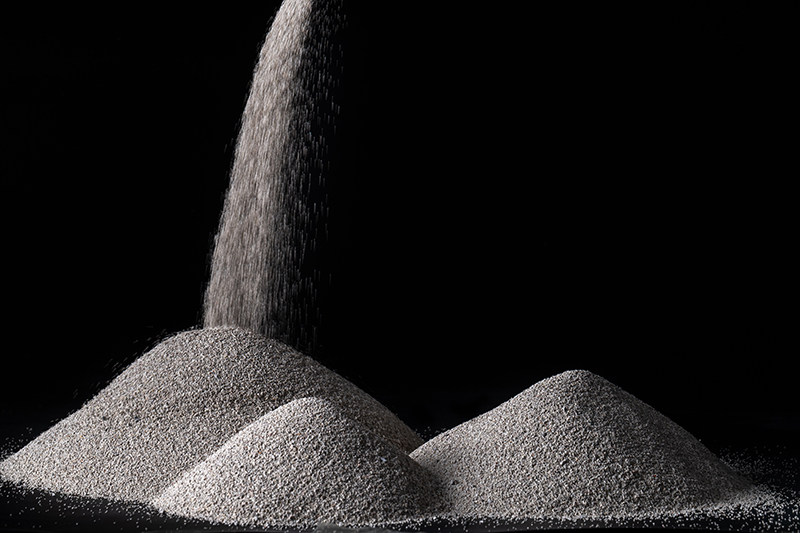
Natural mineral cat litter ODM is a practical route for bringing a cat litter product to market without building a mine, plant, or packaging line. In pet care, where performance, consistency, and supply reliability shape buyer trust, private label production matters because it connects raw mineral resources, product development, and brand positioning into one workable model.
That matters even more as retailers, distributors, and emerging pet brands look for differentiated litter products with stable quality. A supplier with mining access, processing capacity, and export support can shorten development time while giving more control over formula, packaging, and market fit.
Understanding what ODM means in natural mineral cat litter
In simple terms, Natural mineral cat litter ODM refers to a development model where the supplier designs and manufactures the product, and the buyer sells it under its own brand.
This is different from basic OEM work. OEM usually follows a buyer’s existing specification. ODM often starts earlier, with the supplier helping shape the product itself.
For bentonite litter, that may include particle sizing, clumping behavior, deodorization targets, color blends, moisture control, and packaging structure. The goal is not only production. It is market readiness.
In practice, Natural mineral cat litter ODM can support new launches, regional line extensions, supermarket private labels, and specialty pet store assortments. It is especially relevant when a brand wants speed without losing room for differentiation.
Why the category is getting more attention
Cat litter is no longer treated as a purely basic commodity. Buyers now compare dust levels, odor control, clump strength, appearance, and ease of cleaning much more carefully.
Natural mineral litter remains attractive because bentonite offers strong liquid absorption and fast clumping. Those qualities affect everyday use directly, which makes performance claims easier to test and compare.
At the same time, private label has become more strategic. Many brands want products that look proprietary, but they do not want the capital burden of owning extraction rights or production equipment.
That is where Natural mineral cat litter ODM becomes commercially useful. It gives access to technical know-how, production planning, and quality systems that would otherwise take years to build.
How private label production usually works
A private label project often starts with market intent rather than raw material details. The initial discussion usually focuses on target price, preferred litter type, packaging style, and retail channel requirements.
Step 1: product positioning
The supplier and buyer define the intended market position. That may be value-focused, premium, low-dust, deodorizing, fine-grain, or a blend aimed at visual appeal and stronger shelf presence.
Step 2: sample development
Next comes sample design. For bentonite products, this can involve mineral selection, montmorillonite ratio, granule size, moisture balance, and optional additions such as colored plant particles.
A reference example is Bentonite ore cat litter, model SH-2308. It uses bentonite and montmorillonite, with an off-white appearance and a 0.5mm particle size.
Its data points help show what buyers often review during ODM sampling. Moisture is 7.9%, powder content is 0.01%, powder conversion rate is 0.13%, and water absorbency reaches 3.5.
Step 3: packaging and brand customization
Once the formula is accepted, packaging moves forward. This stage covers bag size, material, design artwork, language version, barcode placement, carton arrangement, and shipping mark details.
For many projects, packaging is where differentiation becomes visible. Two products may share a mineral base, yet serve very different channels through branding, format, and communication priorities.
Step 4: mass production and quality control
After approval, the supplier schedules production and checks key indicators throughout processing. This usually includes particle consistency, dust control, clumping strength, absorbency, and bagging accuracy.
The final stage includes export preparation, loading, and documentation. Reliable delivery planning matters because litter is heavy, volume-sensitive, and closely tied to freight efficiency.
What makes a mineral litter ODM supplier credible
Not every supplier offers the same depth of control. In Natural mineral cat litter ODM, upstream resource access often shapes downstream consistency more than marketing materials suggest.
Weifang Hualong Bentonite Co., Ltd. is a useful example of why origin and infrastructure matter. The company is located in Fangzi District, Weifang, Shandong, an area rich in bentonite deposits.
Its history goes back to 1972, when its predecessor operated as a bentonite mine. That long manufacturing background matters because cat litter quality begins with ore selection, not only with packaging design.
The company holds complete national mineral approval qualifications and has its own mine, covering more than 80,000 square meters. That gives stronger control over resource quality and production planning.
Location also matters for export operations. Being within the one-hour economic circle of Qingdao Port and Weifang Port helps reduce inland logistics pressure and supports more predictable shipment arrangements.
Its international sales structure, including Weifang Tianwu Import and Export Trading Co., Ltd., shows another practical point. ODM success often depends on commercial coordination as much as factory capability.
Which product details deserve closer attention
Private label decisions should not stop at general claims like strong absorption or low dust. Those phrases only become useful when tied to measurable indicators and realistic user expectations.
These figures do not tell the whole story, but they create a stronger basis for comparing suppliers. They also help explain why sampling should include both lab data and practical use evaluation.
For example, fine off-white granules may offer faster water uptake and better wrapping of waste. Features such as pancake agglomeration and resistance to soft or hard feces also affect real cleaning convenience.
Where Natural mineral cat litter ODM creates business value
The value of Natural mineral cat litter ODM is not limited to manufacturing outsourcing. It helps align product performance with a market plan while controlling time, cost, and operational complexity.
- It can reduce launch time because formula and production capability already exist.
- It supports brand differentiation through bag design, granule profile, and performance focus.
- It lowers asset risk because there is no need to build mining or processing infrastructure.
- It improves continuity when the supplier controls both ore resources and manufacturing.
This model is especially useful in pet supplies because demand can shift quickly between channels. E-commerce, chain retail, and regional distribution often need different pack sizes and price architectures.
A capable supplier can adapt those differences without rebuilding the whole product system each time. That flexibility is one reason Natural mineral cat litter ODM has become more relevant in export-oriented business.
Points to check before moving forward
A good ODM decision usually comes from structured comparison. Product claims should be reviewed together with resource background, testing standards, packaging execution, and delivery reliability.
- Ask how raw bentonite is sourced and whether the supplier controls its own mine.
- Compare technical data across samples, not only brochure language.
- Check whether standards such as T/SDPIA05-2002 are part of routine quality control.
- Review how packaging customization is handled for language, format, and compliance needs.
- Confirm lead times, port access, and export coordination before finalizing volume plans.
It is also worth checking whether the supplier can support adjacent use cases. Some mineral formulas can be adapted for small pet urine sand, which may open additional category options later.
A practical next step
The most useful way to assess Natural mineral cat litter ODM is to build a short comparison framework. Start with desired price range, clumping behavior, dust target, odor control expectation, and packaging format.
Then compare suppliers on resource ownership, technical data, sample performance, and export readiness. That approach gives a clearer view than brand claims alone.
When a supplier combines mine access, long-term processing experience, and customizable private label support, the ODM model becomes easier to evaluate on real business terms. That is the point where research turns into a workable sourcing decision.
Leave A Message
CONTACT US