


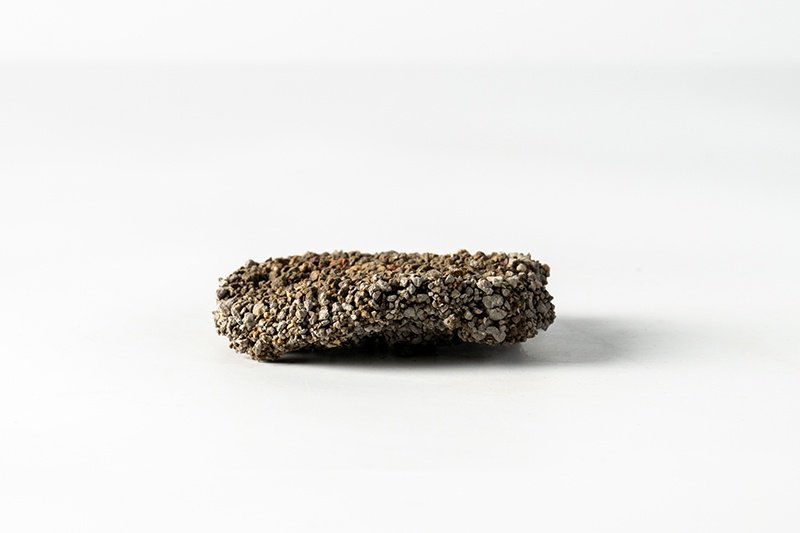
Even with fast clumping litter, odor problems can still happen when moisture absorption, cleaning habits, or litter quality fall short. For pet owners seeking fast clumping cat litter odor control, low dust cat litter for allergic owners, or dust free cat litter for kittens, understanding the real causes is the first step to a fresher, healthier litter box environment.
Many cat owners assume that if a litter clumps quickly, odor should disappear automatically. In practice, fast clumping helps, but it does not solve every source of smell. Odor can still build up when urine reaches the bottom of the box, when clumps break apart, or when waste is not removed often enough.
The core search intent behind this topic is practical problem solving. Readers do not want a vague explanation of litter technology. They want to know why odor remains, how to identify the real cause, and what changes will actually improve the litter box environment without creating new issues such as dust or discomfort for sensitive cats.
Most target readers care about three things first. They want reliable odor control, easier daily maintenance, and a cleaner indoor environment. If they have allergies, children, or young pets at home, they also care about choosing a product that produces less airborne dust and feels safer during routine use.
Why odor can still happen even with fast clumping litter
Fast clumping litter is designed to trap liquid quickly, form tight clumps, and make scooping easier. That is helpful, but odor control depends on more than clumping speed alone. Absorption depth, mineral quality, particle consistency, and box maintenance all affect the final result.
If litter absorbs liquid only at the top layer, some urine may pass downward before a full clump forms. Once moisture reaches the base of the tray, odor becomes harder to remove. The smell may return even after you scoop the visible clumps because residue remains under the clean-looking surface.
Another common issue is weak clump integrity. Some products clump fast at first but break during scooping. When this happens, small wet fragments stay behind and continue releasing odor. Many owners mistake this for a general odor problem, when the real issue is incomplete waste removal caused by fragile clumps.
Litter depth also matters more than many buyers expect. If the layer is too shallow, urine reaches the bottom before the granules can lock it in. Even a good fast clumping cat litter odor control formula performs poorly when there is not enough material in the box to absorb moisture properly.
Moisture management is the hidden reason many boxes smell
Odor starts with moisture, not just waste. Once urine remains exposed, bacteria begin to break down compounds that create the strong ammonia smell many people notice. Fast clumping reduces contact time, but if the litter cannot absorb enough liquid overall, the odor process continues.
Humidity in the home can make this worse. In damp climates or poorly ventilated rooms, litter may absorb moisture from the air before it even contacts waste. That reduces its working capacity and shortens the time it can stay fresh. Owners may think the litter is defective when the environment is actually limiting performance.
Multi-cat households also create a heavier moisture load. One box used by several cats fills with wet spots much faster than a single-cat box. Even high-quality bentonite litter can lose odor control if the box is too small, too shallow, or cleaned too infrequently for the level of use.
This is why some users report that one brand works well in one home but not another. The difference may come from room humidity, cat habits, box size, or cleaning routine rather than the product alone. Understanding these conditions helps owners judge litter performance more fairly and choose better solutions.
Cleaning habits often matter more than people think
Even the best litter cannot compensate for irregular scooping. When clumps stay in the box for too long, they continue releasing odor into the air. Solid waste also affects the surrounding litter, causing nearby granules to absorb smell and making the entire box seem less effective than it really is.
Many owners scoop once daily and assume that is enough in every case. For one healthy adult cat, that may be acceptable. For larger cats, multiple cats, or kittens with frequent bathroom use, once daily may be too little. Odor control improves significantly when waste is removed as soon as practical.
Another overlooked habit is topping off without fully refreshing the box. Adding new litter on top of old granules may make the surface look clean, but it does not remove odor trapped lower down. Over time, fine residue collects at the bottom and along the sides, creating a persistent smell that scooping alone cannot solve.
Regular washing also matters. Plastic litter boxes can absorb odor over time, especially if scratches form inside the tray. A strong smell may remain even after the litter is changed. If a box always smells bad despite using quality litter, the tray itself may be part of the problem.
Low-quality litter can clump fast but still control odor poorly
Not all fast clumping products deliver the same results. Some litters are engineered mainly for quick surface clumping but lack the mineral strength needed for deep absorption and long-lasting odor locking. This creates the impression of efficiency at first, followed by disappointing freshness after only a short period.
Particle size consistency is one sign of quality. When granules are too uneven, liquid spreads unpredictably. Some areas become muddy while others remain dry. Consistent granules usually create more reliable clumps and support better separation during scooping, which is essential for keeping odors from building up in the box.
Natural bentonite quality is also important. High-grade bentonite can swell efficiently, trap moisture, and support stronger clump formation. Manufacturers with stable mineral sources and controlled processing often produce litter with more dependable odor control than products made from inconsistent or lower-grade raw materials.
This is especially relevant for importers, distributors, and private label buyers who compare suppliers. Product claims on packaging are not enough. They need to evaluate clump strength, absorption speed, dust performance, and consistency across batches if they want reliable customer satisfaction in real household use.
Dust can make odor problems feel worse indoors
Dust does not directly create odor, but it can make the litter area feel dirtier and less comfortable. Fine particles settle on surfaces, mix with smells in the room, and create the impression that the entire area is unhygienic. For sensitive users, dust can become almost as frustrating as the odor itself.
This is why many households look for low dust cat litter for allergic owners. People with allergies or respiratory sensitivity often want a product that controls smell without filling the air with powder during pouring or scooping. A cleaner breathing environment improves the overall litter box experience and makes regular maintenance easier.
Dust control also matters in homes with kittens. Young cats are more curious, closer to the litter surface, and more likely to dig actively. Many buyers therefore prefer dust free cat litter for kittens or the lowest-dust option available, because it helps keep the area cleaner while reducing unnecessary airborne particles.
However, “dust free” should be understood realistically. Very few mineral litters are literally dust free in every situation. The better question is whether the product keeps dust low during transport, pouring, digging, and scooping. Good processing and screening make a major difference here.
How to tell whether the problem is the litter or the setup
Before switching products, owners should evaluate the full litter box setup. Start by checking litter depth. In many cases, a layer of around three to four inches gives better absorption and helps prevent urine from reaching the bottom. If the box is too shallow, even premium litter may underperform.
Next, review scooping frequency. If odor appears before the end of the day, the issue may be usage volume rather than product failure. Increasing scooping frequency for several days is a simple way to test whether the smell improves without changing litter brands immediately.
Then examine the clumps after scooping. If they break apart easily, leave wet crumbs behind, or stick to the base, the litter may not have enough clump strength for the cat’s urine volume. In that case, trying a higher-quality bentonite formula can be a more effective solution than adding fragrance.
Finally, assess the room and box. Poor ventilation, old plastic trays, covered boxes with trapped humidity, and overcrowded multi-cat setups can all contribute to odor. A litter product should be judged as part of a system, not as the only factor.
What to look for in better odor control litter
For most households, the best solution combines quick clumping, strong absorption, low dust output, and easy scooping. Fast clumping cat litter odor control works best when clumps form quickly and stay intact long enough to be removed cleanly without crumbling back into the tray.
Low dust performance should also be part of the decision, not an afterthought. A cleaner product improves user comfort and helps the surrounding room stay fresher. For allergic families, low dust cat litter for allergic owners can support a more pleasant daily routine while still meeting practical odor control needs.
For homes with young cats, texture and cleanliness matter as well. Dust free cat litter for kittens is often preferred because kittens interact closely with the litter and may be more sensitive to overly dusty environments. A balanced product should support hygiene without becoming harsh or messy.
Buyers should also consider supply stability and production expertise. A manufacturer with long experience in bentonite mineral cat litter, controlled raw material sourcing, and OEM or ODM capability can often provide more dependable product performance for retailers and private label programs.
Why manufacturing quality matters for long-term user satisfaction
Consistent odor control is not just about one good batch. It depends on raw material selection, granule processing, moisture control, screening, and packaging standards. When these factors are tightly managed, the finished litter is more likely to perform the same way each time consumers buy it.
For business buyers, this is where supplier background becomes relevant. A manufacturer with its own mine, mineral approval qualifications, and decades of production experience usually has stronger control over raw material consistency. That can translate into better clumping behavior and more stable odor performance in the market.
Weifang Hualong Bentonite Co., Ltd., founded in 1972 and rooted in a bentonite-rich region of Shandong, focuses on bentonite mineral cat litter production with OEM and ODM support. This type of manufacturing base is valuable for partners who need quality control, scalable output, and reliable export supply.
Its international sales company, Weifang Tianwu Import and Export Trading Co., Ltd., further supports overseas market development. For distributors and brand owners, that combination of resource access and export orientation can help reduce sourcing uncertainty while meeting performance expectations from end users.
Practical steps to reduce odor immediately
If you already use fast clumping litter and still notice odor, start with simple corrections. Increase litter depth, scoop more often, and fully replace the litter on a regular schedule instead of only topping it off. These three changes solve many odor complaints without requiring a complete setup change.
Clean the box thoroughly before refilling, especially the bottom corners and sidewalls. If the tray remains smelly after washing, replace it. Small cracks and scratches can hold odor in ways that no fresh litter can fully hide. A new box can sometimes improve results faster than a new litter brand.
If dust is part of the frustration, test a lower-dust bentonite product with stronger granule consistency. This may improve both odor perception and household comfort at the same time. For sensitive homes, the right litter should support cleanliness, easier breathing, and dependable clump removal together.
For multi-cat homes, add more boxes rather than only adding more litter. The general rule of one box per cat plus one extra remains useful because it spreads moisture load and reduces odor concentration. Better distribution often improves litter performance more than fragrance additives do.
Conclusion
Odor problems with fast clumping litter usually do not come from clumping speed alone. They are more often caused by weak absorption, broken clumps, shallow fill levels, heavy moisture load, old boxes, or cleaning routines that leave residue behind. Solving odor means looking at the full system.
For pet owners, the best results come from combining proper maintenance with a well-made litter that offers strong absorption, stable clumps, and low dust performance. For business buyers, consistent raw materials and manufacturing control are just as important as marketing claims.
If you want better fast clumping cat litter odor control, lower airborne dust, or a cleaner option suitable for sensitive households and kittens, focus on product quality and real-world use conditions together. That is the clearest path to a fresher litter box and a more comfortable home.
Leave A Message
CONTACT US