


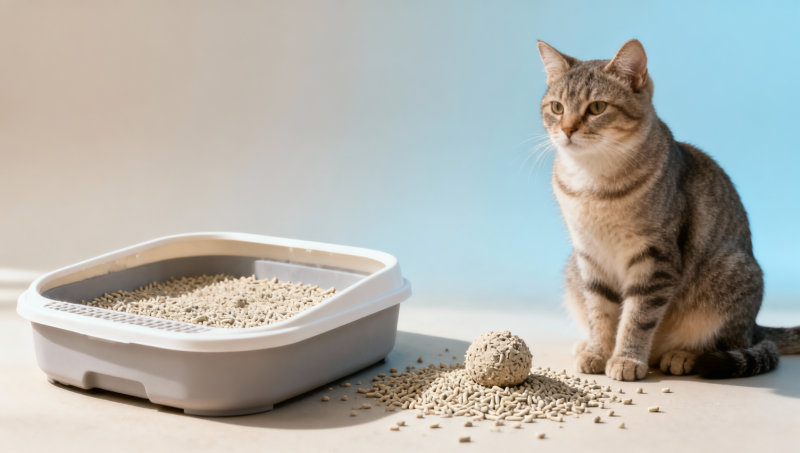
Living in a compact home with a cat means every detail matters, especially litter dust, odor, and cleanup. Is low dust cat litter good for small apartments? In most cases, yes—it helps keep the air cleaner, reduces mess on floors and furniture, and makes daily maintenance easier. Choosing the right bentonite cat litter can greatly improve comfort for both pets and owners in limited spaces.
For importers, private-label brands, distributors, and pet product buyers, this topic is also highly practical. Small-space households often look for litter that clumps fast, controls odor for 24–72 hours, tracks less, and releases minimal airborne particles during pouring or digging. That means low dust cat litter is not simply a comfort feature; it is a clear purchasing criterion that affects product positioning, repeat orders, and customer satisfaction.
In the bentonite cat litter segment, performance depends on raw mineral quality, granule balance, moisture control, and production consistency. Weifang Hualong Bentonite Co., Ltd., founded in 1972 and backed by its own bentonite mine of more than 80,000 square meters, focuses on bentonite mineral cat litter products and supports OEM and ODM cooperation through its export business platform, Weifang Tianwu Import and Export Trading Co., Ltd. For buyers serving apartment markets, understanding what “low dust” really means is essential before selecting a supplier or product line.
Why low dust cat litter matters more in small apartments
In a large house, a small amount of litter dust may disperse without becoming a major complaint. In a studio, one-bedroom apartment, or compact pet-friendly condo, the same dust can settle on tables, bedding, electronics, and soft furnishings within a short distance of 2–5 meters from the litter box. This is why apartment pet owners usually notice dust issues faster and are more likely to switch brands after 1 or 2 negative experiences.
Low dust bentonite cat litter supports a cleaner indoor environment in three ways. First, it reduces visible airborne particles during pouring. Second, it lowers fine residue released when cats dig and cover waste. Third, it helps limit dusty footprints around the litter area. For small spaces with limited ventilation, these factors directly influence the perceived quality of the product.
Odor control is closely linked to dust performance as well. A weak or overly powdery litter may break down faster, reducing clump strength and exposing more surface area to moisture and ammonia. Stronger granules with balanced moisture content often maintain better clumping for 12–24 hours after use, which is especially important when the litter box is near a kitchen, bathroom, or sleeping area.
Typical apartment-user pain points
- Dust clouds during refilling, especially from 5L, 10L, or 20kg packs poured quickly.
- Fine powder sticking to paws and spreading across wood floors, rugs, or sofas.
- Short odor-control window, forcing scooping 2–3 times per day in homes with 1 box and 2 cats.
- Weak clumps that break during cleaning and leave residue at the bottom of the tray.
For B2B buyers, these pain points translate into review scores, complaint rates, and shelf competitiveness. A low dust cat litter product aimed at small spaces should therefore be evaluated not only as a mineral product, but also as an end-user lifestyle solution with clear use scenarios and measurable performance expectations.
What defines a good low dust bentonite cat litter
Not all bentonite litter labeled “low dust” performs the same. In practical sourcing, buyers should look at a combination of granule size distribution, clumping speed, absorbency, and handling stability. A product may have low visible dust at filling stage but still create powder after 7–10 days of use if granules break too easily under repeated scratching.
Granule size matters for apartment-friendly products. Fine particles can support fast liquid absorption, while medium granules often improve airflow balance and reduce tracking. Many buyers prefer a mixed particle range that supports both quick clumping and lower dust release. The ideal balance depends on whether the target market prioritizes softness for paws, premium appearance, or easier cleanup.
Another key factor is clump integrity. In small homes, users usually want once- or twice-daily scooping with minimal residue. If a litter forms compact clumps within a few seconds to a few minutes and keeps its shape when lifted, the box stays cleaner and requires fewer full changes. This lowers litter consumption and improves customer perception of value.
Core performance checkpoints
The table below shows practical evaluation factors that buyers can use when selecting low dust cat litter for small-space retail lines or private-label development.
The main conclusion is simple: low dust is not a single feature. It is the combined result of raw bentonite quality, controlled processing, and a litter formula matched to the end market. Buyers who evaluate these factors together are more likely to build a successful apartment-focused product line.
Supplier-side consistency
Long-term consistency is just as important as first-sample quality. A manufacturer with stable mineral resources, established production experience, and export support can better maintain repeated orders across seasons and container shipments. For distributors and retailers, this reduces the risk of quality variation between batches and supports more reliable brand development.
How buyers should match litter specifications to small-space market needs
A common mistake in procurement is choosing litter only by general category, such as clumping bentonite, without defining the target household profile. Small-space users are not all the same. A single-cat apartment owner may prioritize low tracking and easy carrying, while a two-cat urban household may care more about strong odor control, quick clumping, and reduced refill frequency over 7–14 days.
Pack format also affects user experience. In compact homes, lighter packs such as 5L, 6L, or 8L are often more convenient than large sacks because storage space is limited. However, warehouse buyers and wholesalers may still prefer 10kg or 20kg transport formats for cost efficiency. This is where OEM and ODM flexibility becomes valuable, allowing the same litter base to serve multiple retail strategies.
Fragrance strategy should be selected carefully. In small apartments, heavy perfume can feel overpowering within 30–60 minutes after use. Many buyers therefore balance between unscented, light baby powder notes, or mild natural-style fragrance options. The goal is to control odor without creating a competing indoor smell that may lead to negative consumer feedback.
Specification matching guide
The following table can help buyers align product configuration with common apartment-use scenarios in the pet supplies market.
This comparison shows that there is no single best low dust cat litter for every buyer. The right option depends on channel strategy, target user behavior, and packaging goals. A supplier that can support different pack formats and formula positioning gives importers and brands more room to compete in local markets.
Four practical buying checks
- Request sample testing for dust, clumping, and odor control under real-use conditions.
- Confirm packaging options, including private label, multilingual printing, and export carton details.
- Check supply continuity, especially for repeat container orders over 3–12 months.
- Match litter specs to local consumer expectations instead of copying another market blindly.
Sourcing, OEM, and quality considerations for international buyers
When sourcing bentonite mineral cat litter for export, product quality and logistics capability should be evaluated together. A manufacturer located near major ports can support more efficient shipment planning, especially for regular orders and containerized export. Weifang Hualong Bentonite Co., Ltd. is located within the one-hour economic circle of Qingdao Port and Weifang Port, which is a practical advantage for overseas buyers managing timelines and freight coordination.
Raw material origin also matters. Stable bentonite deposits support more controlled product consistency over time. For private-label programs, this helps reduce formula variation between initial samples and future mass production. A manufacturer with its own mine and long production history is generally better positioned to support long-term cat litter supply than a trader without upstream resource control.
OEM and ODM service is especially relevant in the pet supplies industry because market expectations differ by region. Some buyers want a value-grade low dust cat litter for supermarket channels, while others want a premium apartment-use product with cleaner appearance, stronger clumps, and modern retail packaging. Flexible cooperation allows the same production base to serve several pricing tiers and branding goals.
Key sourcing questions before placing an order
- Can the supplier maintain consistent quality across multiple batches and repeat orders?
- What packaging formats are available for retail, wholesale, and e-commerce channels?
- How long is the usual sampling and production cycle, such as 7–15 days for sample confirmation or 2–4 weeks for production scheduling?
- Can the supplier support custom bag artwork, carton labels, and export documentation?
For buyers building a long-term product line, responsiveness matters almost as much as raw product performance. Clear communication on specifications, packing details, and shipment milestones reduces procurement risk and supports smoother product launches in competitive pet litter markets.
Common mistakes, maintenance advice, and final selection tips
One common mistake is assuming that “99% dust free” wording alone guarantees a good apartment product. Real-world performance depends on pouring speed, litter box design, usage frequency, humidity, and how often waste is removed. Buyers should validate claims with practical sample testing rather than relying only on packaging language.
Another mistake is focusing only on low dust while ignoring tracking and clump durability. In a small apartment, a product that creates little airborne dust but spreads granules through the whole room may still fail. The best low dust cat litter for small spaces usually offers a balanced combination of controlled dust, stable clumps, manageable particle size, and reliable odor absorption.
Maintenance recommendations for end users
Buyer education can improve end-user satisfaction. Advising consumers to maintain a litter depth of around 5–7 cm, scoop once or twice daily, and top up regularly can extend usable performance and reduce odor spikes. In homes with 2 cats and 1 box, more frequent cleaning may be necessary to preserve low-dust and low-odor conditions.
FAQ: quick answers for procurement teams
How do you test low dust cat litter effectively? Compare samples during pouring, after 3–7 days of use, and during scooping. Why is bentonite popular for small spaces? Because it can clump quickly and simplify daily cleanup. What should importers prioritize first? Consistent raw material, stable production, suitable pack sizes, and supplier communication efficiency.
For brands, retailers, and distributors targeting apartment pet owners, the winning formula is clear: choose bentonite cat litter that performs cleanly in tight living spaces, supports repeat purchase behavior, and can be delivered with dependable OEM or ODM cooperation. If you are planning a low dust cat litter line for your market, contact us to discuss product details, packaging options, and customized supply solutions.
Leave A Message
CONTACT US