


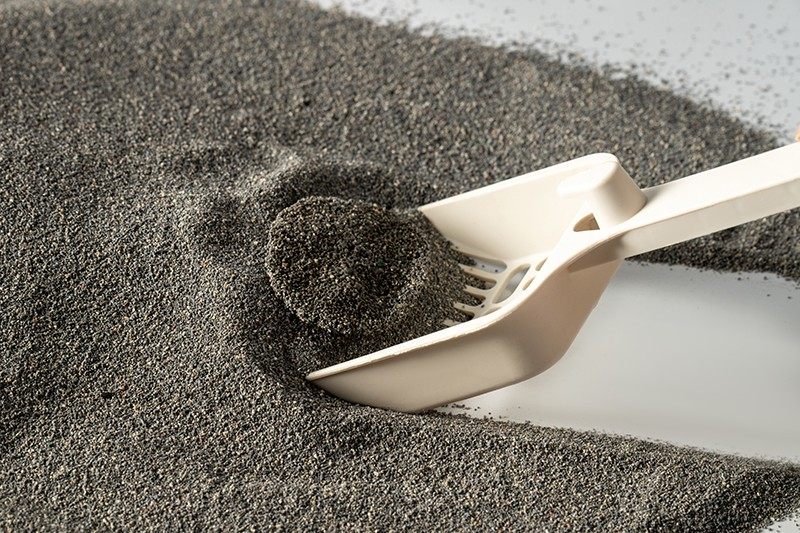
Does dust free cat litter cause respiratory issues? In most cases, truly low-dust cat litter is less likely to irritate the airways than standard dusty litter. However, “dust free” does not always mean completely free of airborne particles, and breathing comfort can still depend on litter quality, ingredients, fragrance, home ventilation, and cleaning habits.
For cat owners, the real question is not simply whether dust-free litter is safe or unsafe. It is whether a specific product produces enough fine particles or added irritants to bother sensitive people or cats. Understanding that difference helps you choose more confidently and reduce avoidable respiratory discomfort at home.
What most cat owners really want to know
If you searched “Does dust free cat litter cause respiratory issues?” you are probably trying to make a practical decision. You want to know whether low-dust litter is actually better, whether bentonite litter is safe, and what warning signs suggest a product may still be irritating lungs or noses.
You may also be comparing products for a home with children, older adults, allergy sufferers, or cats with asthma-like symptoms. In that situation, broad marketing claims are not enough. You need a realistic explanation of risk, product differences, and the everyday factors that make one litter feel cleaner than another.
Short answer: low-dust litter usually helps, but product quality matters
Low-dust or dust-free cat litter is generally intended to reduce the amount of airborne powder released during pouring, digging, and scooping. That usually makes it a better option for respiratory comfort than litter that creates visible clouds. Still, no litter performs the same under real household conditions.
Some products labeled dust free still release fine particles when the granules are weak, over-dried, poorly screened, or damaged during transport. Others may include strong fragrances or additives that trigger irritation even when dust levels are relatively low. So the label alone should not be your only decision point.
Why dust can bother both people and cats
Cat litter dust can become airborne when you pour a fresh bag, when your cat digs, or when you scoop clumps from the box. Those particles may temporarily irritate the nose, throat, or lungs, especially in enclosed rooms with weak ventilation. Sensitive individuals often notice sneezing, coughing, or throat dryness first.
Cats can also react to dusty litter. Because they spend time close to the box, they may inhale particles during digging and covering. A sensitive cat may sneeze after using the box, avoid the litter box, or show signs of discomfort. For cats with pre-existing respiratory conditions, lower dust can be especially important.
Does bentonite cat litter cause respiratory problems?
Bentonite cat litter itself is not automatically a respiratory hazard when produced well and used properly. In fact, bentonite remains popular because it clumps efficiently, controls odor well, and can be manufactured in low-dust forms. The main issue is not bentonite as a category, but how much loose fine dust a specific product releases.
High-quality bentonite litter is usually processed to improve granule strength and reduce powder. Better screening, controlled moisture, and careful packaging all help lower dust levels. That means consumers should focus less on fear around the mineral name and more on measurable product performance and responsible daily use.
What can make a “dust free” litter still irritating?
The first factor is particle quality. If granules break easily, they create fines during packing, shipping, and use. Even if the litter started as low dust at the factory, rough transport or weak pellet structure can increase airborne particles by the time it reaches your home.
The second factor is fragrance. Some cat litters use perfumes to mask odor, but strong scents can trigger headaches, throat discomfort, or breathing irritation in sensitive users. In those cases, a low-dust unscented litter may feel much more comfortable than a dusty or heavily perfumed alternative.
The third factor is maintenance. A litter box that is not cleaned regularly can dry out waste residue, increase odor, and encourage more scraping and disruption during scooping. That extra disturbance can release both dust and odor compounds, making the box area feel more irritating than it should.
Who is most likely to notice respiratory discomfort?
Healthy adults may tolerate moderate litter dust without major problems, although many still prefer cleaner air and less mess. The people most likely to notice discomfort are those with asthma, allergies, chronic sinus issues, or other airway sensitivities. Small children and older adults may also be more affected by indoor irritants.
Cats with respiratory sensitivity can also react more strongly. If a cat already has sneezing episodes, labored breathing, or a veterinary history of airway inflammation, reducing dust exposure becomes more than a comfort preference. It becomes part of creating a more supportive everyday environment.
Signs your litter may be causing a problem
Watch what happens during and after pouring or scooping. If you see a visible dust cloud, smell a strong perfume burst, or feel throat irritation immediately, the product may not be as low-dust as promised. Those direct observations are often more useful than marketing language on the package.
At home, common warning signs include frequent sneezing near the litter area, coughing after cleaning the box, itchy eyes, unusual throat dryness, or a cat that seems reluctant to enter the box. These signs do not prove the litter is the only cause, but they are worth taking seriously.
If symptoms are strong, persistent, or severe, professional medical or veterinary advice is important. Respiratory symptoms can have many causes, and a litter change should be viewed as one practical step, not a complete diagnosis. Still, reducing dust is often a sensible first improvement.
How to evaluate whether a cat litter is truly low dust
Start by looking at real-use performance rather than just packaging claims. A good low-dust litter should pour cleanly, create minimal airborne powder, and leave limited residue around the box. It should also maintain granule integrity after repeated use rather than turning quickly into loose fine particles.
Check whether the product is unscented or lightly scented if your household is sensitive to fragrances. Review customer feedback for comments about dust clouds, residue on surfaces, and breathing comfort. Practical user reports often reveal whether “dust free” means genuinely cleaner or just slightly better than average.
Clumping quality matters too. Strong clumps reduce the need for aggressive scraping, which means less disturbance and fewer particles released during cleaning. Good odor control is also helpful because it reduces the temptation to rely on heavy perfumes that can irritate sensitive airways.
How daily habits can reduce respiratory irritation
Even the best litter performs better when used correctly. Pour slowly rather than dumping the bag quickly into the box. Gentle pouring releases fewer particles into the air and gives any minor dust time to settle. This simple habit can make a noticeable difference, especially in smaller rooms.
Place the litter box in a well-ventilated area, but avoid spots with strong drafts that can spread particles through the room. Good airflow helps dilute any temporary dust or odor, while stable placement keeps the area more comfortable for both the cat and the household.
Scoop regularly to keep the box cleaner and reduce odor buildup. Regular cleaning means less aggressive scraping and less disruption of the litter bed. Many owners find that twice-daily scooping improves both hygiene and air comfort, especially in multi-cat homes.
It also helps to clean the box itself on a routine schedule. Old residue can increase odor and break down fresh litter faster. A well-maintained box supports better litter performance and helps low-dust products stay low dust for longer during use.
Is unscented bentonite litter a better choice for sensitive homes?
For many households, yes. If your concern is respiratory comfort, unscented low-dust bentonite litter is often a smart starting point. It avoids one major irritant category while still offering the clumping and odor control that many cat owners want from mineral litter.
This is especially useful when the home includes someone with allergies or a cat that reacts strongly to perfumes. While fragrance may make a litter smell fresh in the package, it does not always improve real comfort. Cleaner air often comes from lower dust and better maintenance, not stronger scent.
What quality manufacturing means for consumers
Consumers do not always see what separates one bentonite litter from another, but production quality matters greatly. Raw material selection, mineral consistency, granule shaping, drying control, and dust screening all influence whether the final product stays stable or breaks into irritating fines.
Manufacturers with long-term mineral expertise and controlled production processes are often better positioned to provide more consistent low-dust performance. For buyers, that means looking beyond low price alone. A cleaner, more stable litter may improve comfort, reduce mess, and deliver better overall value in daily life.
When a company controls mineral sourcing and processing more closely, it may also be easier to maintain consistent product standards for OEM and ODM supply. That matters in international markets where private-label buyers and consumers alike expect dependable quality, especially for products used in the home every day.
How to choose a safer bentonite cat litter with confidence
If you want a simple checklist, prioritize these points: low visible dust, strong clumping, unscented or mild scent, stable granules, reliable odor control, and positive user feedback about air comfort. These features are more useful than exaggerated claims that sound impressive but say little about real use.
After buying, test the litter for a week under normal conditions. Notice the air when pouring, the amount of residue around the box, your own comfort while scooping, and your cat’s behavior. A good product should support both cleanliness and routine comfort without constant compromise.
If a litter causes obvious irritation, switch promptly rather than trying to force the situation. There is no reason to tolerate a product that creates dust clouds, harsh fragrance, or discomfort when better low-dust options are available. Small product changes can make a meaningful difference in daily living quality.
Final answer: does dust free cat litter cause respiratory issues?
Usually, truly low-dust cat litter is less likely to cause respiratory irritation than standard dusty litter. But “dust free” is not a guarantee of zero airborne particles or zero sensitivity reactions. Product quality, fragrance, cleaning habits, and ventilation all influence the real outcome in your home.
For most consumers, the best approach is practical rather than fearful: choose a high-quality low-dust bentonite litter, prefer unscented options if sensitivity is a concern, keep the box clean, and observe how both you and your cat respond. That combination offers the clearest path to a cleaner and more comfortable litter area.
In short, the answer to “Does dust free cat litter cause respiratory issues?” is sometimes, but usually less so than ordinary litter. The safest decision is to focus on proven low-dust performance, responsible use, and a product source you trust for consistent bentonite cat litter quality.
Leave A Message
CONTACT US