


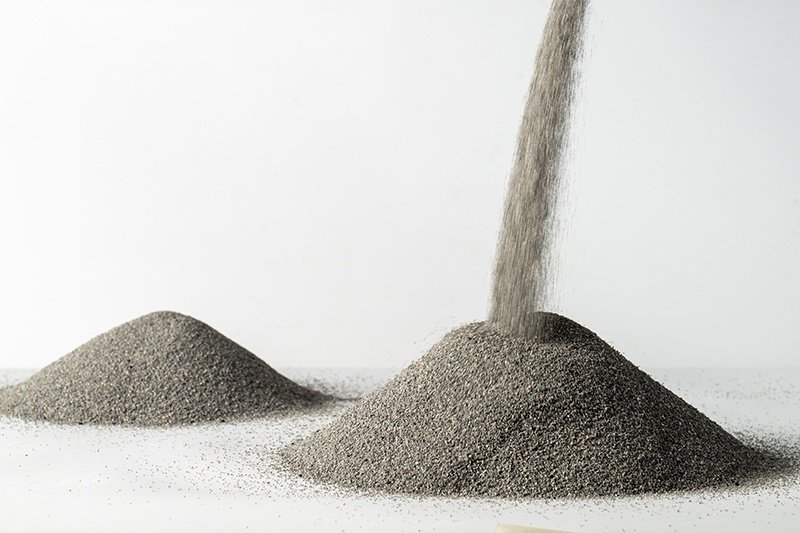
Natural mineral cat litter ODM can lower sourcing risk
For pet product brands and distributors, selecting the right Natural mineral cat litter ODM partner is critical to reducing sourcing risk, stabilizing supply, and protecting long-term margins.
Backed by exclusive bentonite mineral resources, decades of manufacturing experience, and OEM/ODM capabilities, Weifang Hualong Bentonite Co., Ltd. offers a reliable pathway for companies seeking consistent quality.
What buyers really want when searching for Natural mineral cat litter ODM
Enterprise buyers using this search term are rarely looking for a simple product description. They are evaluating supplier reliability, operational risk, and private-label scalability.
The real question is whether an ODM partner can deliver stable mineral quality, predictable production, compliant documentation, and packaging flexibility without increasing procurement complexity.
For decision-makers, cat litter is not only a consumable product. It is a recurring revenue category that depends heavily on consistency and customer trust.
If clumping, dust control, odor performance, or packaging quality varies between batches, distributors face complaints, returns, margin loss, and weakened retail relationships.
That is why a capable Natural mineral cat litter ODM supplier should be assessed as a long-term supply-chain partner, not merely a low-cost vendor.
Why sourcing risk is higher in mineral cat litter than many buyers expect
Natural mineral cat litter depends on raw ore quality, processing control, moisture management, particle grading, and transportation stability. Each factor affects final performance.
Bentonite-based litter is especially sensitive to mineral composition. Montmorillonite content, swelling capacity, and activation quality influence clumping strength and absorption efficiency.
When buyers purchase from trading-only companies, they may face unclear ore origins, inconsistent processing plants, and limited traceability across multiple production batches.
This creates hidden risks. A shipment may pass basic inspection, yet fail during real consumer use because clumps break or odor control declines.
International buyers also need dependable export coordination. Delays, documentation errors, unstable packaging, or unclear communication can disrupt seasonal promotions and retail commitments.
An ODM model reduces these risks when the manufacturer controls mineral sourcing, production processes, formulation development, packaging design, and shipment coordination together.
How exclusive mineral resources support supply stability
Weifang Hualong Bentonite Co., Ltd. is located in Jiulong Industrial Park, Fangzi District, Weifang City, Shandong Province, China.
The region is rich in bentonite deposits, giving the company a natural advantage in raw material access, mineral selection, and long-term production planning.
The company originated from a bentonite mine founded in 1972, giving it decades of experience in mineral extraction and bentonite processing.
Its exclusive mine and complete national mineral approval qualifications help reduce dependence on unstable external ore suppliers and short-term market fluctuations.
For buyers, this matters because raw material continuity directly supports consistent clumping performance, dust control, color appearance, and absorption characteristics.
A supplier with mineral ownership can also respond faster when brands need customized formulas, upgraded performance, or adjusted specifications for different markets.
What makes ODM different from ordinary private-label purchasing
Private-label purchasing often means choosing an existing product and applying a customer’s logo. ODM goes further by supporting product development and differentiation.
A Natural mineral cat litter ODM partner can help adjust particle size, fragrance options, deodorizing components, packaging formats, and performance targets based on market positioning.
This is important for buyers competing in crowded retail channels. Price-only products are easy to replace, while differentiated formulas build stronger shelf value.
ODM cooperation also supports category planning. A brand may require economy, premium, low-dust, non-tracking, activated carbon, or mixed-material product lines.
Instead of sourcing each SKU from different factories, buyers can work with one manufacturer to create a more coherent product portfolio.
That approach lowers qualification costs, reduces supplier management workload, and improves consistency across packaging, quality standards, and after-sales communication.
Key supplier capabilities decision-makers should verify
Before selecting a mineral cat litter ODM partner, buyers should review whether the supplier controls the source of bentonite and understands mineral processing deeply.
They should also examine production capacity, factory area, testing methods, moisture control systems, dust management, packaging lines, and export experience.
Weifang Hualong Bentonite covers more than 80,000 square meters, which supports scalable manufacturing and organized production for international customers.
Its geographical location within the one-hour economic circle of Qingdao Port and Weifang Port supports efficient shipment arrangements and logistics flexibility.
For overseas buyers, this location can reduce uncertainty in export scheduling, especially when container availability, shipping windows, or seasonal demand changes.
Supplier evaluation should also include communication speed. A strong ODM partner provides technical answers, packaging suggestions, quotation clarity, and sample feedback efficiently.
Quality consistency is the core of risk reduction
In mineral cat litter, quality consistency is more valuable than a one-time strong sample. Buyers must confirm repeatability across production batches.
Important indicators include particle size distribution, moisture range, dust level, clumping speed, clump hardness, odor control, absorption rate, and package sealing strength.
Small differences can change customer experience. Excess dust affects indoor air perception, while weak clumps increase product consumption and negative reviews.
A manufacturer with long-term bentonite expertise can better manage ore selection, activation, granulation, drying, screening, and finished-product inspection.
For decision-makers, these controls translate into fewer claims, lower return rates, stronger brand reputation, and more predictable gross margin.
This is why ODM selection should focus on process stability and documentation, not only on unit price or visual sample comparison.
Product development example: low-tracking and deodorizing performance
Market demand increasingly favors litter that is easier to clean, controls odor effectively, and reduces dust or granule tracking around the home.
For brands targeting this segment, Non tracking cat litter can represent a practical product direction within an ODM portfolio.
The SH-2410 specification uses sodium-based activated carbon, montmorillonite, and cassava-related formulation options, with a particle size range of 0.5–2.5mm.
Its off-white gray appearance, high water absorbency, and deodorizing design fit buyers seeking functional differentiation in mineral cat litter categories.
Technical features include low powder content, strong agglomeration performance, and ammonia removal rates designed to support cleaner daily use.
Activated carbon with high iodine value can strengthen odor adsorption, while quality natural white ore provides a montmorillonite content of about 75%.
This type of product information helps buyers compare performance claims against measurable specifications instead of relying only on marketing descriptions.
How ODM cooperation protects margins
Margin protection begins with fewer surprises. Stable quality reduces refunds, retailer complaints, emergency replacements, and expensive corrective shipments.
ODM cooperation can also improve packaging efficiency. Suitable bag sizes, pallet loading, and container utilization can reduce total landed cost.
Brands may also avoid unnecessary over-specification. A technical supplier can recommend performance levels that match retail price points and end-user expectations.
For example, a premium low-dust formula may be right for specialty channels, while a balanced formula may serve high-volume supermarket distribution.
Good ODM planning helps buyers build layered product lines without losing control over procurement cost, product quality, or brand positioning.
Over time, this improves customer retention because consumers recognize consistent litter performance across repeat purchases and different package sizes.
What enterprise buyers should ask before signing
Decision-makers should ask where the bentonite comes from, whether the supplier owns or controls mineral resources, and how ore quality is classified.
They should request information about production flow, quality inspection points, batch retention practices, and how nonconforming goods are handled.
Packaging capability is another critical area. Buyers should confirm bag materials, printing options, sealing strength, barcode placement, and export carton requirements.
For ODM projects, it is important to clarify sample development timelines, modification rounds, minimum order quantities, and exclusivity expectations.
Buyers should also check whether the supplier can support OEM and ODM service together, allowing both standard products and customized product development.
Clear commercial terms reduce future disputes. Payment terms, delivery schedules, inspection standards, claim procedures, and documentation responsibilities should be agreed early.
Why factory background matters more than supplier claims
Many suppliers can claim strong quality, but factory history and mineral background reveal more about long-term reliability.
Weifang Hualong Bentonite’s predecessor was a bentonite mine, and its development since 1972 reflects deep industry accumulation.
This background matters because bentonite cat litter performance depends on practical mineral knowledge, not only on packaging or sales ability.
The company’s manufacturing focus on bentonite mineral cat litter supports a narrower, more specialized production system for pet product buyers.
For international expansion, Weifang Tianwu Import and Export Trading Co., Ltd. was established to specialize in sales of bentonite mineral cat litter products.
This structure helps overseas customers communicate with an export-focused team while still benefiting from direct manufacturing and mineral resource support.
When Natural mineral cat litter ODM is the right choice
ODM cooperation is especially suitable for brands entering new markets, distributors upgrading private labels, and retailers seeking stable supply under their own brand.
It also fits companies that want product differentiation without building mineral processing expertise or managing multiple component suppliers.
For buyers with recurring orders, ODM collaboration can create stronger negotiating stability because both parties invest in product refinement and forecasting.
However, ODM may not be necessary for buyers who only need opportunistic spot purchases or temporary low-volume promotional products.
The strongest value appears when a buyer wants continuous supply, technical improvement, packaging customization, and category development over several product cycles.
In those situations, the right ODM partner becomes part of the buyer’s competitive advantage rather than just another purchasing channel.
Practical steps to reduce sourcing risk before mass orders
Start with a clear product brief covering target market, retail price range, package size, performance priorities, and competing products.
Request samples that match the intended specification, then test clumping, odor control, dust, tracking, absorption, and customer handling experience internally.
Compare sample results with supplier technical data. If there is a gap, discuss adjustment possibilities before confirming packaging artwork.
Next, conduct a pilot order. A smaller commercial shipment can validate production consistency, export documentation, packaging durability, and logistics coordination.
After the pilot order, review customer feedback and operational data. Then refine formula, bag design, palletization, or order forecast if needed.
This staged approach helps avoid large-scale mistakes and gives both buyer and manufacturer a stronger foundation for long-term cooperation.
Building a more resilient pet product supply chain
Pet product markets continue to grow, but competition is becoming more demanding. Retailers expect stable delivery, credible claims, and reliable consumer satisfaction.
Natural mineral cat litter remains attractive because it combines familiar consumer acceptance with functional performance and scalable production potential.
Still, brands cannot rely on commodity purchasing alone. They need manufacturing partners who understand minerals, product use, and international trade requirements.
A well-chosen ODM partner can support procurement planning, product upgrades, packaging differentiation, and supply continuity through changing market conditions.
For enterprise decision-makers, this creates a more resilient sourcing model, especially when demand forecasting and retailer commitments become more complex.
The supplier’s mineral base, factory capability, export support, and technical responsiveness should therefore be evaluated together, not separately.
Conclusion: ODM lowers risk when it is backed by real manufacturing strength
Natural mineral cat litter ODM can lower sourcing risk when the partner controls raw materials, manages production carefully, and supports customized development.
Weifang Hualong Bentonite Co., Ltd. combines exclusive bentonite resources, long manufacturing history, OEM/ODM service, and convenient port access.
For brands and distributors, these advantages can help stabilize quality, improve procurement efficiency, support differentiation, and protect long-term margins.
The best decision is not simply choosing the lowest quotation. It is choosing a supplier capable of reducing uncertainty across the entire sourcing cycle.
When quality, supply, customization, and communication align, Natural mineral cat litter ODM becomes a strategic tool for sustainable category growth.
Leave A Message
CONTACT US