


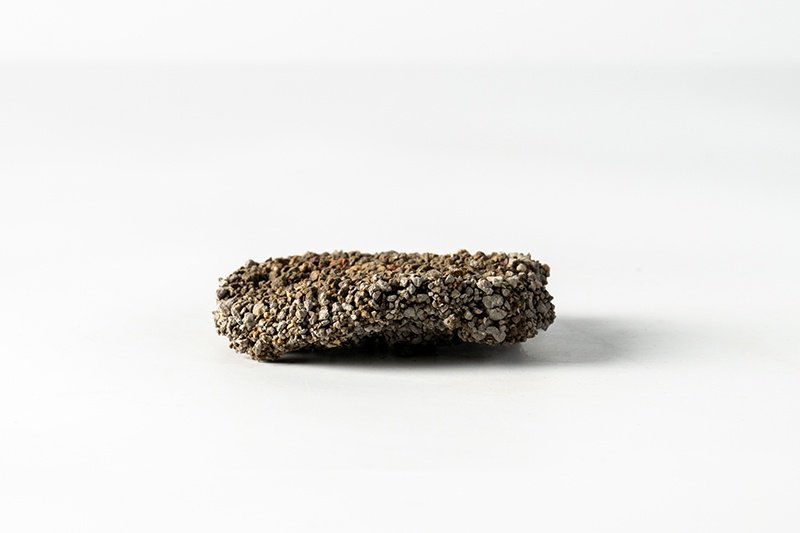
Fragrance-free mineral litter sounds simple, yet two bags that look similar on a product page can behave very differently once they meet moisture, a scoop, and a closed room. The practical differences usually show up in five places: how fast the granules absorb, whether the clump stays intact during cleaning, how much airborne dust appears when pouring, whether odor is controlled without perfume, and how stable the product remains from one shipment to the next.
Start with the raw mineral itself. Bentonite-based litter is widely chosen because it can swell and bind when wet, but performance depends on deposit quality, particle grading, and processing discipline. A fragrance-free formula leaves less room to hide variation. If the mineral has uneven absorbency, weak swelling behavior, or too many fines, the result becomes obvious very quickly: soft clumps, muddy tray corners, extra tracking, or a stale smell that appears before the box is due for cleaning.
Look past the words “fragrance free”
Fragrance free should mean there is no added scent masking the box, but that label alone does not tell you how odor is controlled. Some products rely mainly on fast clumping and moisture locking. Others may use mineral blending or processing adjustments to reduce ammonia release. The useful question is whether odor control comes from physical performance rather than perfume. If the litter forms a dense clump quickly, less liquid spreads through the tray, and odor has fewer places to build.
This matters in homes where cats are sensitive to strong smells, but it also matters during evaluation. Added perfume can temporarily cover weak absorbency. Without it, you can judge the litter more honestly. If a fragrance-free product still keeps the area acceptable between routine cleanings, that usually points to better moisture capture and more stable clump structure.
Clumping strength is not the same as clumping speed
A bag may advertise quick clumping, yet quick is only useful if the clump survives scooping. In use, there are two separate questions. First, how rapidly does the litter set around liquid? Second, after several minutes or several hours, does that mass remain firm enough to lift out in one piece?
Weak clumps break into small wet fragments that stay behind in the clean litter. Those fragments gradually raise odor, shorten the usable life of the tray, and create the impression that the litter “stops working” too soon. A stronger product usually produces a clearer boundary between used and unused granules. That means less waste during scooping and less need to dump the whole box early.
Particle size affects this more than many listings admit. Very fine granules may wrap liquid quickly, but they can also compact too tightly, adhere to the tray bottom, or create more dust. Larger granules may track less in some cases, though they are not always as efficient at sealing the surface of the clump. Balanced grading often performs better than extremes.
Dust control should be judged during pouring and scooping
Low-dust claims are common, but dust appears at different moments for different reasons. One product releases fines when a new bag is poured. Another looks clean at first and then creates powder as granules rub against each other over time. A third may stay visually neat yet leave residue on nearby surfaces after repeated scooping.
Dust level is linked to ore selection, drying, crushing, screening, and post-processing. If screening is inconsistent, more fines remain in the final bag. If the granules are too brittle, they may keep breaking down during transport. Long shipping routes and repeated handling can make this more noticeable, especially when packaging does not protect the product well from compression and abrasion.
For a real comparison, pay attention to three stages rather than one. The first pour shows how much loose dust was packed in the bag. Daily scooping shows whether the clumps crumble into powder. The bottom of the remaining litter after repeated use shows whether the product is degrading as it sits in the box.
Odor control without scent depends on moisture management
Unscented litter often disappoints when people expect it to behave like scented litter while ignoring tray depth, box size, and removal frequency. The more useful way to judge it is to ask whether it limits liquid spread and isolates waste before odor compounds travel into the air. Fast swelling and a tighter clump surface usually do more for odor than a decorative scent ever could.
Ammonia control becomes especially relevant after repeated urination in the same area. If the litter allows seepage to the bottom, the base layer stays damp, and the smell remains even after the visible clump is removed. This is one reason some boxes seem clean but still carry a lingering odor. Bottom adhesion is often a warning sign here. When wet mass sticks to the tray floor, moisture has already moved deeper than it should.
In product evaluation, it helps to notice whether the box smells sharp, humid, or stale, because each points to a different failure mode. Sharp odor may suggest poor urine capture. A humid earthy smell can indicate saturation and slow drying. Stale odor often comes from residual fines and broken clump fragments left behind after scooping.
Granule consistency affects daily use more than packaging claims
Uniformity is easy to overlook online, but it often separates dependable litter from frustrating litter. A bag with excessive variation may contain oversized pellets, medium granules, and dust all at once. That mix changes how liquid travels through the tray. It also makes scooping less predictable because some areas harden well while others collapse.
Consistency matters across batches as well. If one order performs well and the next one behaves differently, the problem may come from changes in raw mineral layer, blending ratio, drying conditions, or screening tolerance. Fragrance-free litter makes these shifts easier to detect because there is no scent overlay distracting from the base performance.
When evaluating product information, technical descriptions about mesh range, moisture control during production, or impurity removal can be more meaningful than broad comfort language. Even a brief reference to controlled particle sizing suggests the producer is thinking in terms of process, not only retail wording.
Packaging and transport can change the product before it reaches the tray
Mineral litter is heavy, and that creates practical risks long before the bag is opened. Poor sealing can allow moisture intrusion, leading to pre-caking or harder lumps inside the package. Weak bags may split at corners, which not only causes loss but also changes the distribution of fines and granules. Rough handling during loading and unloading can grind the material further, increasing dust in the final delivered product.
Transport distance and storage conditions should not be treated as minor details. If bags sit in humid warehouses or containers for long periods, performance may shift. A litter that left the factory in stable condition can arrive with partial hardening, odor absorption from the environment, or more breakage than intended. This is especially relevant for larger-volume supply arrangements where product may remain in storage before use.
Bag construction, lining, and pallet stability therefore matter indirectly to litter performance. They are part of product integrity, not separate logistics trivia.
Watch for misleading shortcuts in comparison
Several common assumptions lead to poor selection. One is treating heavier litter as automatically better. High density can feel substantial, but it does not guarantee stronger clumps or lower dust. Another is assuming finer texture always means softer handling. In practice, very fine material can raise tracking and airborne particles.
A different mistake is judging odor control from an unopened bag. Raw material smell tells you little about used-box performance. The real test is whether the litter limits spread after contact with waste. Also, “natural mineral” should not be read as a promise of the same source or the same processing route across all products. Mineral origin influences swelling behavior and impurity profile, and those differences show up in routine use.
There is also a tendency to compare only first-day performance. Many litters look acceptable during the first fill. The more useful comparison is after several scoop cycles, when fines accumulate, wet spots reach deeper layers, and the tray surface starts reflecting the actual stability of the product.
Details in the specification that deserve attention
Useful product information usually appears in plain operational terms rather than polished adjectives. Moisture content at packing, particle size distribution, clump behavior, dust tendency, and recommended fill depth all say more than general claims about freshness. If these details are vague or absent, it becomes harder to predict how the litter will behave in repeated use.
- A narrow and controlled granule range often supports more even liquid absorption across the tray.
- Excessive powder at the bottom of the bag may point to screening issues, fragile granules, or transport damage.
- If the product description mentions strong water absorption but says little about waste removal, clump durability may need closer attention.
- Where private label or customized production is involved, consistency in mineral sourcing and process control can matter as much as the retail-facing formula.
Those points are not a template for buying; they are indicators of whether the product is being described through real manufacturing characteristics or through surface-level marketing language.
The tray environment still influences the result
Even a well-made litter can seem disappointing if used too shallowly or left in a box with poor airflow and heavy buildup on the walls. Fragrance-free products reveal maintenance issues faster because they do not cover them. A litter that performs well usually still needs enough depth to allow clump formation before liquid reaches the base. If the tray is underfilled, even good bentonite may stick, smear, or form flat wet patches.
The shape of the box also matters. In narrow trays, repeated use tends to concentrate in a smaller zone, increasing local saturation. High-sided boxes may reduce scatter, but they can also trap humidity if cleaning is delayed. These are not product defects by themselves, yet they affect how fairly any litter is judged.
Reading a sample or first shipment realistically
One bag can reveal a lot if it is observed in ordinary use rather than under ideal conditions. Pay attention to whether the litter settles evenly, whether the first clumps separate cleanly from dry material, and whether the remaining bed stays loose instead of turning compact and damp. The bottom of the tray after several days often tells the truth faster than front-of-bag language.
If the product performs inconsistently between portions of the same bag, uneven grading may be involved. If the top layer looks acceptable but the lower layer turns heavy and sticky, liquid migration is likely too deep. If odor appears suddenly rather than gradually, clumps may be breaking apart during scooping and leaving wet residue mixed back into the clean litter.
Choosing Natural mineral cat litter fragrance free usually comes down to whether the litter stays honest under repeated use. Without added scent to cover flaws, the essentials become visible: stable mineral quality, controlled processing, clean granule grading, manageable dust, and clumps that leave the tray with minimal waste behind.
Leave A Message
CONTACT US