


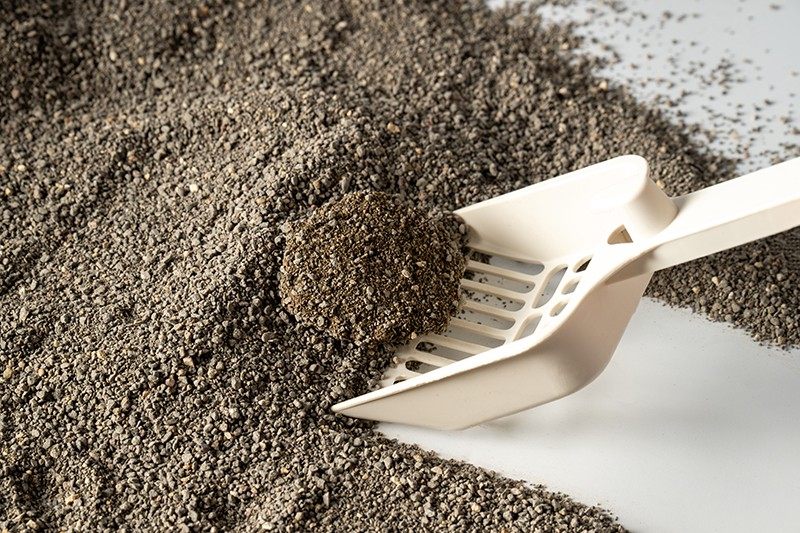
Wondering whether Natural bentonite cat litter non-toxic enough for everyday use? For cat owners, safety, odor control, and easy cleaning all matter. Natural bentonite litter is widely chosen for its strong clumping ability and mineral origin, but understanding what makes it safe is essential before buying. This article explores its daily-use safety, key benefits, and what consumers should look for when choosing a reliable product.
What does Natural bentonite cat litter non-toxic really mean?
When consumers search for Natural bentonite cat litter non-toxic, they usually want a practical answer: is it safe for cats to step on, dig in, and use every day inside the home? In most cases, natural bentonite cat litter is considered safe for routine use when it is properly processed, low in impurities, and handled according to normal hygiene practices.
Bentonite is a natural clay mineral known for high absorbency and clumping performance. That is why many cat owners prefer it over loose, non-clumping options. The key point is that “natural” does not automatically mean every product on the market is equal. Source quality, mineral purity, dust control, and production management all affect whether a litter feels clean and reliable in daily life.
For end users, non-toxic daily use usually includes several concerns at once:
Whether the litter contains harmful chemical additives or harsh fragrances.
Whether dust becomes excessive during pouring, scooping, or cat movement.
Whether clumps remain stable enough to reduce waste and odor buildup.
Whether the raw mineral source is controlled and suitable for pet product manufacturing.
A trustworthy manufacturer matters here. Weifang Hualong Bentonite Co., Ltd. has roots going back to 1972, with its predecessor being a bentonite mine. Located in a bentonite-rich area of Shandong, China, the company operates its own mine, covers more than 80,000 square meters, and focuses on bentonite mineral cat litter products. That kind of upstream control helps buyers better judge consistency, traceability, and raw material reliability.
Is natural bentonite safe for cats and people in everyday home use?
For most healthy adult cats, natural bentonite litter is widely used for daily toileting without problems. It does not rely on aggressive cleaning agents to absorb urine and form clumps. Instead, it works through the natural absorbent structure of clay. That makes it practical for odor management and straightforward litter box maintenance.
However, “non-toxic” should not be confused with “careless use is fine.” Even safe litter needs correct use. Very dusty products may irritate sensitive noses. Kittens that chew litter require closer supervision. Households with asthma may need a low-dust grade. The safest decision is not simply choosing bentonite, but choosing a well-made bentonite formula that fits the cat’s age, habits, and health profile.
Daily-use safety factors to check
Dust level during pouring and scooping. Lower dust generally improves home comfort and reduces respiratory irritation.
Clump strength. Tight clumps help remove waste faster and keep the rest of the box cleaner.
Odor management. Good mineral litter should lock in urine odor instead of only masking it with perfume.
Raw material consistency. A stable mineral source usually supports more predictable quality from batch to batch.
This is one reason consumers increasingly care about where litter comes from. A manufacturer with its own mine and mineral approval qualifications can usually provide clearer information about sourcing and production than a trader without direct raw material control.
How bentonite compares with other common cat litter types
To understand whether Natural bentonite cat litter non-toxic is the right choice, it helps to compare it with other popular litter materials. The table below highlights daily-use differences that matter to consumers, especially those balancing safety, odor control, cleanup time, and home cleanliness.
For many families, bentonite remains a strong all-round choice because it combines simple daily cleanup with familiar cat acceptance. That said, the safest and most comfortable option depends on dust sensitivity, litter box habits, and whether the home prioritizes strong clumping or lighter materials.
What makes a bentonite cat litter more trustworthy?
A consumer cannot inspect a mine or production line directly, so product selection should focus on signals of manufacturing strength and supply stability. In the pet products market, a serious producer is more likely to control raw material quality, particle sizing, moisture behavior, and shipping consistency. This reduces surprises after purchase.
Key signs of reliable manufacturing
Direct access to bentonite resources rather than relying fully on unstable third-party sourcing.
Long-term specialization in bentonite mineral cat litter products.
Ability to offer OEM and ODM support, which often reflects broader formulation and packaging capability.
Logistics advantages for export and delivery, especially if near major ports.
Weifang Hualong Bentonite Co., Ltd. benefits from a location within the one-hour economic circle of Qingdao Port and Weifang Port. For consumers buying through retailers or private-label channels, stable export logistics can support better lead times and more predictable stock availability.
Which daily-use scenarios are best for natural bentonite litter?
Not every home uses litter in the same way. Some owners clean twice a day. Others have multiple cats. Some live in small apartments where odor becomes obvious quickly. The table below shows where Natural bentonite cat litter non-toxic options often perform well and where extra care is needed.
The takeaway is simple: natural bentonite works especially well where owners want dependable clumping and practical odor control. But matching particle size, dust level, and fragrance profile to the cat’s needs is what turns a general material choice into a good daily-use decision.
How to choose the right litter if your cat is sensitive
Some cat owners worry less about the clay itself and more about specific sensitivities. That is a smart way to think. The risk often comes from dust, added scent, or poor box hygiene rather than from bentonite as a mineral alone.
Look closer if your cat or family has these concerns
Kittens that may lick or eat litter out of curiosity.
Cats with a history of respiratory sensitivity.
Homes with children, elderly family members, or people sensitive to airborne dust.
Owners who prefer fragrance-free products to avoid scent overload.
If those points are important in your home, an alternative material can also be worth considering. For example, Customized cat litter made from cassava starch is designed for all types of cats and offers quick moisture absorption, tight clumping, odor trapping, bacterial growth control, and a dust-free profile. It is also described as gentle and free from chemicals, which may appeal to buyers looking beyond mineral-based formulas.
That does not mean bentonite is unsuitable. It means consumers should compare litter types based on household priorities. If your top concern is classic clumping strength from a natural mineral source, bentonite remains highly relevant. If you prioritize an edible plant-based material and zero dust handling, a tailored alternative may fit better.
What should consumers check before buying?
A smart purchase is rarely based on one claim on the bag. If you are deciding whether Natural bentonite cat litter non-toxic enough for your cat, use a structured checklist. It helps cut through vague marketing and focuses on performance that affects daily life.
Consumer buying checklist
Read the material description carefully. Confirm whether it is natural bentonite and whether extra additives are mentioned.
Look for information on dust control. This matters in small homes and for sensitive cats.
Check clumping behavior. Strong, fast clumps reduce waste and simplify box cleaning.
Consider the manufacturer background. A specialized producer with mining and production capability often gives more confidence.
Match the product with your cat’s stage of life, health condition, and litter habits.
If you buy from a private-label store or distributor, it is also reasonable to ask about raw material origin, packaging options, and shelf-life guidance. For example, the cassava-based Customized cat litter lists a two-year shelf life when stored sealed, which shows how practical storage details can support household planning.
Common misconceptions about Natural bentonite cat litter non-toxic
“Natural means every product is equally safe”
Not true. Natural raw material is only one part of the story. Mining source, processing, granule sizing, moisture control, and dust removal all matter. Two bentonite litters may both be clay-based but perform very differently in a home environment.
“If it clumps strongly, it must be harsh”
Also not necessarily true. Bentonite naturally forms clumps because of its absorbent mineral structure. Strong clumping is often a practical benefit, not proof of harmful chemistry. What deserves attention is whether the product adds strong fragrance or creates excess dust.
“All dust-free claims mean the same thing”
Consumers should treat this carefully. Some products are low dust in normal scooping, while others position themselves as fully dust-free. Real-life handling, packaging condition, and transport can all affect the experience. Whenever possible, compare product descriptions with user feedback and supplier transparency.
FAQ: the questions cat owners ask most
Is natural bentonite cat litter safe for kittens?
It can be used with caution, but kittens need closer observation because some may mouth or ingest litter. If your kitten shows that behavior, discuss material choice with a veterinarian and consider a texture or formula better suited to that stage.
Does non-toxic mean no dust at all?
No. Non-toxic refers more to safety in composition and reasonable daily use. Dust level is a separate performance issue. A safer buying decision looks at both material safety and dust control together.
How often should bentonite litter be cleaned?
Clumps and solid waste should be removed daily, ideally once or twice depending on the number of cats. Full replacement depends on usage and box size, but routine scooping is what keeps odor low and extends the useful life of the litter.
What if my cat rejects bentonite litter?
Texture preference is real. Try a gradual transition, mixing the old and new litter for several days. If the cat still avoids the box, consider another material, such as a plant-based option, while keeping the box location and cleanliness consistent.
Why source and manufacturer strength matter more than many buyers expect
Consumers often focus on retail packaging and overlook supply chain quality. In cat litter, that can be a mistake. A producer with its own mine, long-term specialization, and export support is often better positioned to deliver consistent raw material, more stable product performance, and smoother supply for retailers and brand owners.
Weifang Hualong Bentonite Co., Ltd. combines mineral-resource access with dedicated bentonite cat litter manufacturing. Its established history, exclusive mine, complete mineral approval qualifications, and location near major ports support dependable production and international business development through Weifang Tianwu Import and Export Trading Co., Ltd. For end consumers, that background can translate into more confidence in product origin and supply continuity.
Why choose us for cat litter selection and supply support?
If you are evaluating whether Natural bentonite cat litter non-toxic enough for daily use, the best next step is to compare real product details rather than relying on broad claims. We can support practical questions that affect buying decisions and daily results.
Confirm bentonite litter parameters such as clumping behavior, dust level, and usage suitability for different cat households.
Compare mineral-based and plant-based options according to odor control, cleaning habits, respiratory sensitivity, and budget expectations.
Discuss OEM and ODM possibilities if you are buying through a retail brand, private label, or distributor channel.
Ask about delivery planning, packaging choices, sample support, and product selection for local market preferences.
Review whether a bentonite formula or an alternative litter type better fits your cat’s age, habits, and home environment.
For consumers and buyers who want a clearer decision, contact us with your target use scenario, cat type, dust preference, odor-control expectations, and packaging needs. That makes it easier to recommend a suitable bentonite solution or a customized alternative with realistic guidance on samples, specifications, and supply timing.
Leave A Message
CONTACT US