


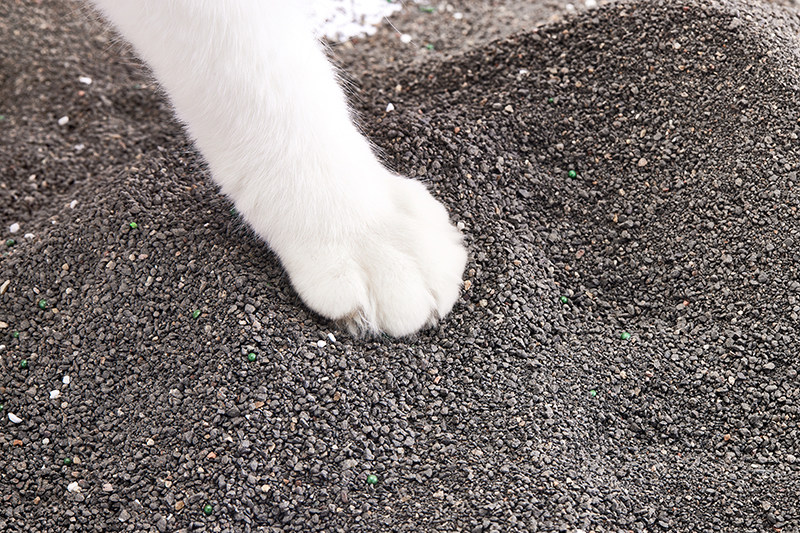
If you are trying to judge low dust bentonite cat litter availability for 2026, the short answer is yes, it should remain available, but not every supplier will be equally dependable. The bigger question is not whether you can find it, but whether you can secure stable quality, consistent dust control, and shipment reliability when demand tightens. That is where many buyers get stuck.
In the cat litter business, “available” can mean very different things. A product may be listed in a catalog, shown at a trade fair, or quoted at a good price, yet still fail on particle consistency, dust reduction, odor control, or delivery timing. For 2026, that distinction matters. Low dust bentonite cat litter is still one of the most practical options for many private label brands, wholesalers, and pet product importers, but careful sourcing will matter more than broad market optimism.
What low dust bentonite cat litter availability really looks like in 2026
From an industry point of view, bentonite cat litter is not a niche material. It remains one of the most established litter types because it clumps well, controls odor effectively in daily use, and is familiar to both retailers and end users. That basic demand is not disappearing in 2026.
What changes from supplier to supplier is the “low dust” part. Many products are labeled low dust, but actual performance depends on ore quality, granule grading, drying control, dust removal during processing, and packaging integrity. A bag can leave the factory in good condition and still reach the destination with more fines than expected if handling and packing are weak.
So when people ask whether low dust bentonite cat litter will be readily available, the honest answer is this: supply is likely to be available, but truly consistent low dust product will remain concentrated among manufacturers with stable mineral resources, mature production control, and export experience.
That is a more useful answer than simply saying “yes” or “no.”
Why demand is holding up
There is a practical reason bentonite litter keeps its place on store shelves and in distributor catalogs. It solves a real daily problem for cat owners: fast clumping and easier waste removal. Low dust versions improve that experience, especially in homes where owners care about cleaner floors, less airborne powder around the litter box, and a more comfortable environment for cats that are sensitive to heavy dust.
For buyers on the product side, low dust bentonite litter also fits several business needs at once. It is familiar to the market, flexible for packaging formats, and workable across different quality tiers. A supplier can often adjust granule size, fragrance options, sodium or calcium bentonite blends, and OEM packaging requirements without reinventing the product.
That flexibility supports continued availability. Products that can serve supermarkets, pet chains, e-commerce brands, and private label programs usually stay in production because the market base is broad.
Where availability problems usually come from
Most shortages are not simple “out of stock” events. In real purchasing situations, the problems are usually more specific.
One common issue is raw material inconsistency. Bentonite quality depends heavily on the deposit itself. Not all mines produce the same clumping strength or dust profile, and not all processors can compensate for that difference.
Another issue is processing capability. Dust reduction is not just a marketing claim added at the end. It depends on screening, drying, granule control, and how well the product is cleaned of excess fine particles before packing. A supplier with limited process control may offer a low quote, but the product can become unstable across batches.
Shipping is another weak point. Even a well-made litter can break down during handling if the packaging is thin, sealing is poor, or container loading is rough. Buyers sometimes blame the formula when the real problem is logistics damage.
And then there is the labeling problem: “low dust” is not a universal standard. One factory’s low dust may still feel dusty to a retailer or end user used to a more refined product. That mismatch creates frustration, returns, and difficult conversations after the first shipment lands.
What experienced buyers check before they assume supply is secure
In practice, reliable availability is less about a single quotation and more about supply structure. The first thing worth checking is whether the manufacturer controls its upstream resource or depends heavily on external material sourcing. A producer with direct access to bentonite deposits usually has a better shot at maintaining batch stability than one buying from changing sources.
This is one reason established mineral-based manufacturers tend to stand out. For example, Weifang Hualong Bentonite Co., Ltd. comes from a long mining and manufacturing background, with origins dating back to 1972, its own mine resources, and national mineral approval qualifications. That kind of background does not automatically guarantee the perfect product for every project, but it does matter when a buyer wants continuity, traceability, and OEM or ODM support instead of a trading-only arrangement with limited production control.
Location matters too. A factory placed within a practical export logistics zone, such as the port circles around Qingdao Port and Weifang Port, can reduce some transport friction for international orders. It does not eliminate delays, but it can make shipment planning more manageable than sourcing from a less connected inland setup.
Buyers who have been through litter sourcing problems usually ask five questions early:
- Is the mine resource stable and legally qualified?
- Can the factory produce consistent granule size and low dust performance across repeat orders?
- Does the supplier support OEM or private label needs with realistic lead times?
- Can they provide samples from actual production, not just showroom samples?
- Do they understand export packaging and container shipment requirements?
If a supplier struggles to answer those clearly, “availability” may be weaker than it first appears.
Low dust does not mean dust-free
This is one of the most common misunderstandings in the category. A low dust bentonite cat litter product can reduce visible powder and tracking-related mess, but it does not mean zero airborne particles under every condition.
Dust can still increase if the granules are too dry, if the bag is handled roughly, if the litter is poured from a height, or if the product sits too long in poor storage conditions. Buyers who expect laboratory-clean performance from every bag often end up disappointed, even when the product is commercially acceptable.
A better standard is functional performance in real use: does it pour cleaner than standard litter, produce less visible clouding, hold up during transport, and maintain acceptable clumping without turning into excessive fines at the bottom of the bag? That is the level of judgment most serious buyers use.
What to expect from 2026 supply conditions
Barring major disruptions that cannot be predicted here, the market outlook for low dust bentonite cat litter availability appears reasonably solid. Bentonite remains a mature raw material category, and demand for cat litter is steady enough that established producers have strong reason to keep capacity active.
Still, “readily available” should be understood with a practical filter. Standard grades are easier to source than tightly controlled premium grades. Generic export-ready bags are easier to source than highly customized private label lines. And trial quantities are often easier to arrange than repeat high-volume shipments at the exact same specification.
That is why buyers planning for 2026 should not wait until inventory pressure starts. If your business depends on a particular dust profile, clump speed, color, granule size, fragrance option, or packaging style, the safer move is to qualify supply earlier and confirm whether the sample standard can actually be repeated at volume.
When low dust bentonite litter is the right fit, and when it is not
It is a good fit when the goal is familiar consumer acceptance, strong clumping, and a cleaner daily user experience than basic bentonite grades. It also works well for brands that need a broad-market product without forcing consumers to switch to a less familiar litter type.
It may be less suitable when the buyer wants a product positioned around plant-based, flushable, or lightweight claims. Bentonite litter is mineral-based, so it serves a different expectation. Some users also prioritize ultra-light shipping weights over traditional clumping performance, and in those cases other litter categories may deserve a look.
This matters because availability alone is not the same as product-market fit. A widely available litter still fails if it does not match the positioning of the brand or the practical expectations of the end customer.
How to reduce sourcing risk before placing larger orders
A careful buyer usually does three things before moving from inquiry to long-term cooperation.
First, compare samples from more than one batch if possible. A single clean sample can be misleading. Repeated consistency tells you more than a polished first impression.
Second, ask about the production and resource chain, not just the price. A supplier with its own mine, established processing base, and export structure is usually easier to assess than a supplier that mainly brokers product from changing sources.
Third, treat packaging as part of product quality. For cat litter, broken granules and dust increase quickly when bag strength and loading discipline are poor. A decent formula packed badly will still disappoint.
For buyers who need OEM or ODM support, it is also worth confirming how the supplier handles artwork confirmation, bag specification, private label compliance details, and repeat production scheduling. These details seem administrative until they delay a shipment.
FAQ
Will low dust bentonite cat litter be harder to find in 2026?
Probably not in a broad sense. The main challenge is finding supply that stays consistent in dust control, clumping, and delivery, especially for repeat or customized orders.
Is low dust bentonite litter always premium quality?
No. “Low dust” is only one part of quality. You still need to check clumping speed, odor control, granule strength, and shipment stability.
What is the biggest mistake buyers make?
Relying on a single sample and assuming future batches will match it exactly. Repeatability matters more than the first impression.
Does owning a mine make a supplier more reliable?
Often yes, because it can improve raw material stability and supply control. It is not the only factor, but it is a meaningful one in bentonite products.
Should private label buyers start planning before 2026?
Yes. Early qualification helps you compare samples, confirm packaging, and avoid last-minute compromises on quality or lead time.
So, is low dust bentonite cat litter readily available in 2026? In most cases, yes. But buyers who care about real low dust bentonite cat litter availability should look past catalog claims and ask harder questions about mine access, manufacturing control, packaging, and export readiness. The product is there. The dependable version of it takes a more careful choice.
- 锚文本:bentonite cat litter manufacturer / 建议链接到的页面类型或主题
- 锚文本:OEM cat litter packaging service / 建议链接到的页面类型或主题
- 锚文本:how to choose clumping cat litter / 建议链接到的页面类型或主题
- 锚文本:private label cat litter supplier / 建议链接到的页面类型或主题
- 锚文本:bentonite litter export process / 建议链接到的页面类型或主题
- 行业协会报告
- 政府监管机构页面
- 品牌官方技术文档
Leave A Message
CONTACT US